

 Duane Roberts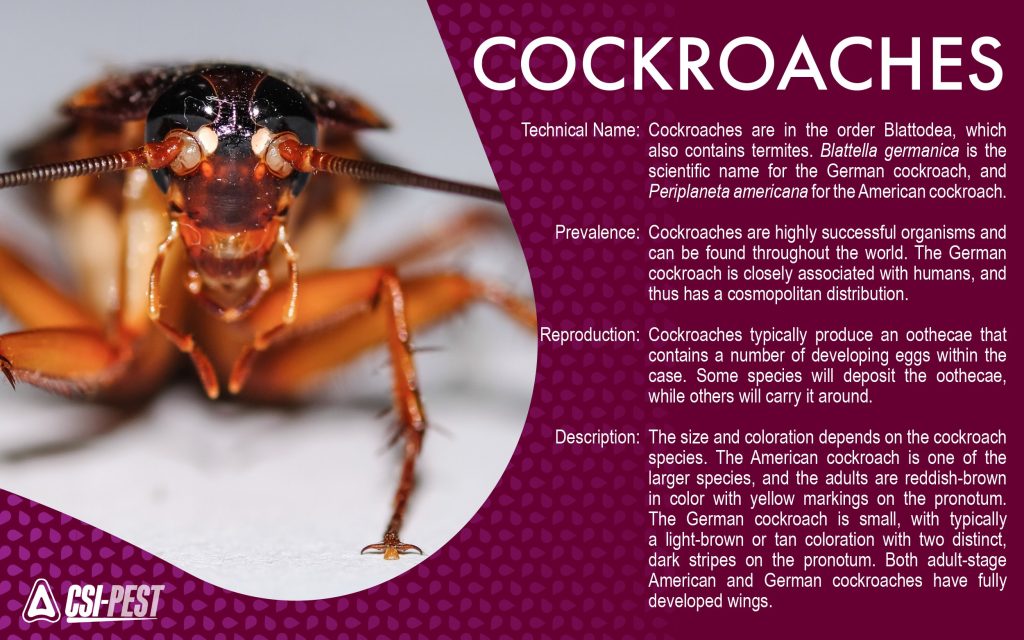
Roaches are called cockroaches due to their preference for dwelling in warm, dark spaces. The term “cockroach” has a long history, originating from the Spanish word “cucaracha.” Early Spanish explorers dubbed these insects “cucaracha” due to their fondness for warm environments like ship galleys. Over time, the term evolved into “cockroach” in English. Stay tuned as we delve deeper into the intriguing origins of why roaches are called cockroaches.

Why Are Roaches Called Cockroaches: Unraveling the Name Mystery
Roaches, cockroaches, creepy crawlies – these insects have many names. But have you ever wondered why we specifically call them “cockroaches”? Let’s dive into the intriguing world of entomology to unravel the mystery behind the name of these resilient critters.
The Origin of the Name “Cockroach”
To understand why roaches are called cockroaches, we need to take a trip back in time. The name “cockroach” has an interesting history that dates back centuries. The term “cockroach” is believed to have originated from the Spanish word “cucaracha,” which means “crazy bug” or “woodworm.”
Early References to Cockroaches
The earliest recorded mention of the word “cockroach” can be traced back to the 17th century. In English literature, these pesky insects were often referred to as “cockroches” due to their cock-like appearance and swift movements. Over time, the term “cockroach” became the widely accepted name for these insects.
The Physical Attributes of Cockroaches
One theory behind the name “cockroach” is linked to the physical characteristics of these insects. Cockroaches have an oval-shaped body with long antennae and six spiny legs. Their flattened bodies allow them to scurry through narrow spaces with incredible speed, resembling the movements of a cockerel or rooster.
The Resilience of Cockroaches
Another reason why roaches are called cockroaches could be attributed to their remarkable resilience. Cockroaches are known for their ability to survive in harsh conditions, including extreme temperatures and limited food sources. This resilience and adaptability may have contributed to the association with the term “cock” in their name.
Cultural and Folklore References
The name “cockroach” has also made its way into cultural references and folklore. In many cultures, cockroaches are often depicted as symbols of filth, disease, and resilience. This negative perception of cockroaches in popular culture may have influenced the choice of name for these insects.
Associations with Dirt and Disease
Throughout history, cockroaches have been associated with unsanitary conditions and the spread of diseases. Due to their scavenging nature and ability to thrive in unhygienic environments, cockroaches have earned a reputation as carriers of pathogens. This negative connotation may have contributed to the naming convention of “cockroaches.”
The Evolution of the Name
As languages evolve and cultures intersect, the name “cockroach” has transcended geographical boundaries and linguistic barriers. Today, the term “cockroach” is universally recognized as the common name for these insects, irrespective of region or dialect.
Modern Perceptions of Cockroaches
In modern times, the name “cockroach” continues to be associated with fear and disgust in many societies. Despite their ecological significance and role in the ecosystem, cockroaches often evoke negative emotions due to their appearance and behavior. This prevailing perception reinforces the enduring legacy of the name “cockroach.”
Conclusion: Decoding the Name “Cockroach”
In conclusion, the name “cockroach” is a fascinating linguistic enigma that reflects the historical, physical, cultural, and societal perceptions of these resilient insects. Whether you call them roaches or cockroaches, these fascinating creatures have left an indelible mark on human civilization and continue to pique our curiosity with their mysterious name. So, the next time you encounter a scuttling cockroach, remember the rich tapestry of reasons why we affectionately (or not so affectionately) call them “cockroaches.”
Random Thought: Why are They Called Cockroaches? 🤔🐜
Frequently Asked Questions
What is the reason behind calling roaches “cockroaches”?
The term “cockroach” has its origins in the Spanish word “cucaracha,” which was then anglicized to “cockroach.” The name likely originated from the hissing sound that these insects can make, resembling the sound of a rooster or cock.
How did the name “cockroach” become associated with these insects?
Over time, the name “cockroach” became widely adopted due to its easy pronunciation and use in various languages. It has become the common term used to refer to these insects globally.
Is there a historical significance to the name “cockroach” for these insects?
While the exact historical significance may vary, the name “cockroach” has stood the test of time due to its widespread usage and cultural acceptance. It has become ingrained in the common vernacular for referring to these specific insects.
Final Thoughts
Roaches are called cockroaches due to a mispronunciation of the Spanish word “cucaracha.” This error led to the common term we use today. The word “cockroach” has stuck, despite its origins. The mispronunciation highlights how language can evolve over time.


