

 Duane Roberts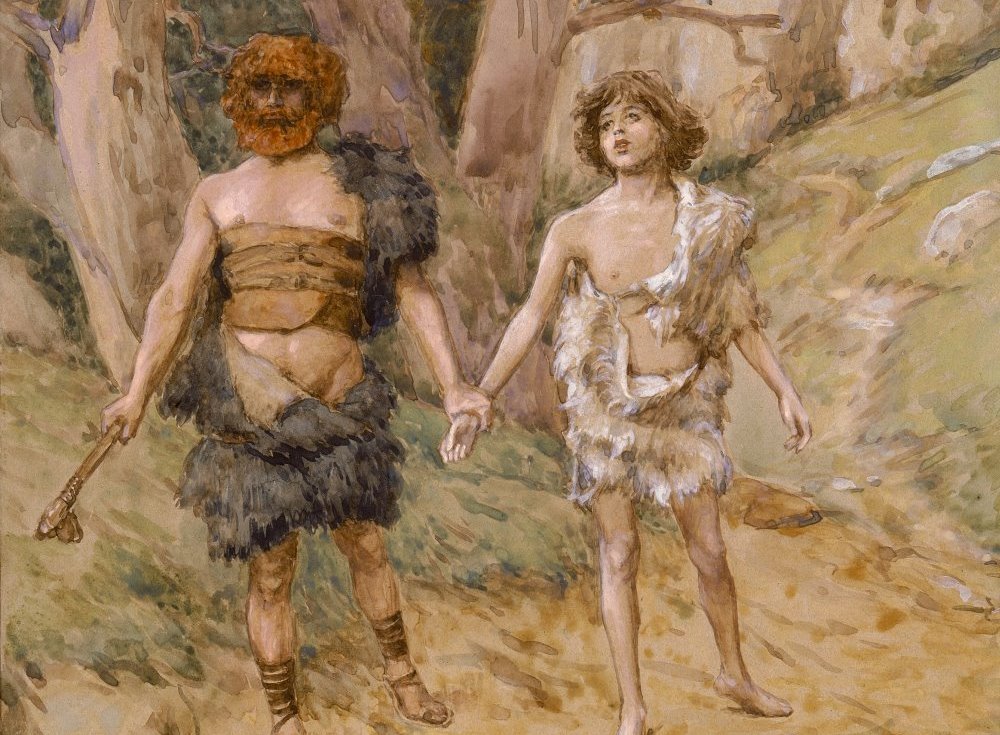
Cain kills Abel out of jealousy and anger. Envy twisted his heart, leading to a violent end. The story of this fratricide resonates through the ages, evoking questions of sibling rivalry, moral responsibility, and divine justice. By delving into the depths of human nature and the complexities of familial bonds, we can uncover universal truths that shed light on the haunting question: why does Cain kill Abel? Join us as we explore the profound significance behind this ancient tale.

Unraveling the Mystery: Why Does Cain Kill Abel?
Welcome, young readers, to a fascinating journey back in time to explore a powerful story from the book of Genesis in the Bible. The tale of Cain and Abel has captivated generations with its themes of jealousy, anger, and betrayal. We will delve deep into the heart of this ancient mystery to uncover the reasons behind Cain’s shocking act of violence against his own brother. So sit back, relax, and let’s embark on this intriguing adventure together!
The Story of Cain and Abel
Before we can understand why Cain committed such a terrible deed, let’s first recount the story of these two brothers. According to the Bible, Cain and Abel were the sons of Adam and Eve, the first humans created by God. Cain was a farmer who worked the land, while Abel was a shepherd who tended to the flock.
God accepted Abel’s offering of the best of his flock, but He did not look favorably on Cain’s offering of crops from the ground. This rejection planted a seed of jealousy and resentment in Cain’s heart, which eventually led to a tragic turn of events.
Jealousy Rears Its Ugly Head
Jealousy is a powerful emotion that can cloud our judgment and lead us down a dark path. In Cain’s case, seeing his brother Abel receive God’s approval while his own offering was rejected stirred up feelings of inadequacy and anger. He couldn’t understand why God favored Abel’s gift over his own hard work.
Have you ever felt jealous of a friend or sibling for getting something you wanted? It’s normal to feel envious at times, but it’s important to remember that everyone has their own unique talents and strengths. Comparing ourselves to others only brings unhappiness and resentment.
The Consequences of Unchecked Rage
As Cain’s jealousy festered, it transformed into a dangerous rage that consumed him. Instead of dealing with his emotions in a healthy way, Cain let his anger control him. This unchecked fury blinded him to the consequences of his actions and ultimately led to a horrific act of violence.
When we allow anger to take over, we can make decisions that we later regret. It’s essential to find constructive ways to manage our emotions, whether it’s talking to someone we trust, practicing deep breathing, or engaging in activities that help us relax and unwind.
The Importance of Seeking Forgiveness
After Cain committed the terrible deed of killing his brother Abel, God confronted him and asked, “Where is Abel your brother?” Cain responded callously, “I do not know; am I my brother’s keeper?” This response showed Cain’s lack of remorse and unwillingness to take responsibility for his actions.
Seeking forgiveness is a crucial step in making amends for our mistakes. Admitting when we’re wrong and asking for forgiveness not only shows humility but also allows for healing and reconciliation. It’s never too late to make things right and seek forgiveness from those we’ve hurt.
Lessons to Learn from Cain and Abel
As we come to the end of our journey into the story of Cain and Abel, let’s reflect on the valuable lessons we can glean from their tragic tale. Jealousy, anger, and lack of accountability were the seeds that led to Cain’s downfall. By recognizing and addressing these negative emotions, we can avoid making the same mistakes.
Remember, it’s okay to feel jealous or angry, but it’s essential to deal with these emotions in a healthy way. Talk to someone you trust, express your feelings through art or writing, or engage in activities that bring you joy. By taking care of our emotional well-being, we can prevent destructive actions that harm ourselves and others.
So, young readers, let the story of Cain and Abel serve as a cautionary tale about the dangers of jealousy, anger, and unchecked emotions. Let us strive to be kind, compassionate, and understanding towards others, so that we may live in harmony and peace.
Thank you for joining me on this enlightening journey through the ancient story of Cain and Abel. Until next time, remember to choose love over hate and forgiveness over resentment. Farewell!
Why did God allow Cain to kill Abel?
Frequently Asked Questions
What was the motive behind Cain killing Abel?
Cain killed Abel out of jealousy and anger. The story in the Bible depicts Cain’s offering being rejected by God while Abel’s offering was accepted, leading to feelings of inadequacy and rage in Cain.
How did Cain’s jealousy towards Abel escalate to murder?
Cain’s jealousy towards Abel escalated to murder when he let his negative emotions consume him. Instead of addressing his feelings of inadequacy and seeking reconciliation, Cain allowed his anger to drive him to commit a heinous act.
Did Cain show remorse after killing Abel?
After killing Abel, Cain did not show immediate remorse. In fact, when God confronted him, Cain tried to deflect responsibility by asking, “Am I my brother’s keeper?” indicating a lack of remorse or accountability for his actions.
Final Thoughts
Cain kills Abel out of jealousy and anger, rooted in God preferring Abel’s offering. This act reveals the destructive power of envy and the consequences it can have. Their story serves as a cautionary tale of the dangers of letting negative emotions like jealousy consume us. Ultimately, Cain’s decision to kill Abel was a result of his inability to control his emotions and underlying resentment. The question of ‘why does Cain kill Abel’ highlights the tragic outcome of unchecked jealousy and the importance of addressing and overcoming such emotions.


