

 Duane Roberts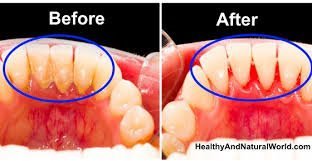
Your tooth may feel rough due to enamel erosion or tooth decay. These issues can be caused by acidic foods, poor oral hygiene, or teeth grinding. When the protective enamel on your teeth wears down, the underlying layer called dentin becomes exposed, leading to a rough sensation. Ignoring this roughness can result in further damage, so it’s crucial to address it promptly. Consulting a dentist can help identify the root cause and provide the necessary treatment for a smoother, healthier tooth surface. Prioritize your dental health to keep your smile bright and comfortable.

Why Does My Tooth Feel Rough?
Have you ever run your tongue along your teeth and felt something rough? It can be quite alarming to notice that your tooth doesn’t feel as smooth as it should. In this article, we will explore the reasons behind why your tooth may feel rough and what you can do about it.
1. Plaque Build-Up
One common reason why your tooth may feel rough is due to the build-up of plaque. Plaque is a sticky film of bacteria that forms on your teeth, especially if you haven’t been brushing and flossing regularly. When plaque is not removed, it can harden into tartar, which can make your tooth surface feel rough.
To prevent plaque build-up, make sure to brush your teeth at least twice a day and floss daily. Regular dental cleanings can also help remove any hardened plaque from your teeth.
2. Enamel Erosion
Another reason your tooth may feel rough is due to enamel erosion. Enamel is the outer layer of your teeth that protects them from decay and damage. Over time, acidic foods and drinks, as well as aggressive brushing, can wear down the enamel, making your tooth surface rough and more susceptible to cavities.
To prevent enamel erosion, avoid consuming too many acidic foods and drinks, such as soda and citrus fruits. Also, use a soft-bristled toothbrush and gentle brushing technique to protect your enamel.
3. Tooth Decay
If your tooth feels rough and also sensitive to hot or cold temperatures, it could be a sign of tooth decay. Decay occurs when bacteria in your mouth produce acids that eat away at the tooth structure, causing a rough texture on the surface.
To prevent tooth decay, maintain good oral hygiene practices, limit sugary snacks, and visit your dentist regularly for check-ups and cleanings.
4. Grinding or Clenching
Grinding or clenching your teeth, especially during sleep, can also contribute to your tooth feeling rough. The excessive pressure and friction from grinding can wear down the enamel and even cause small cracks or chips in the tooth surface.
If you suspect that you grind your teeth, talk to your dentist about getting a custom mouthguard to protect your teeth while you sleep. Stress-reducing techniques can also help alleviate teeth grinding habits.
5. Old Dental Restorations
If you have old dental fillings or crowns that have started to wear down, they can become rough and uneven, affecting the texture of your tooth. Over time, dental restorations can degrade, leading to a rough surface that may also trap food particles and bacteria.
Your dentist can assess the condition of your dental restorations and recommend any necessary replacements or repairs to restore the smoothness of your tooth surface.
6. Conclusion
It’s essential to pay attention to any changes in how your teeth feel, including if they start to feel rough. By understanding the potential causes, such as plaque build-up, enamel erosion, tooth decay, teeth grinding, or old dental restorations, you can take the necessary steps to address the issue and maintain your oral health.
Remember to brush and floss regularly, avoid harmful habits like teeth grinding, and schedule regular dental check-ups to keep your teeth feeling smooth and healthy.
Next time you notice your tooth feeling rough, don’t ignore it! Take proactive steps to address the underlying cause and maintain a healthy smile.
Why Your Teeth ACTUALLY Hurt
Frequently Asked Questions
Why does my tooth feel rough?
Your tooth may feel rough due to enamel erosion caused by acidic foods, beverages, or poor oral hygiene practices. The roughness could also be a sign of tooth decay or enamel wear from teeth grinding. It is essential to consult a dentist to determine the exact cause and receive appropriate treatment.
What are the common reasons for a rough tooth surface?
A rough tooth surface can result from various factors, including enamel loss, plaque buildup, tooth grinding, or using a hard-bristled toothbrush. These factors can wear down the enamel, exposing the underlying dentin and leading to a rough texture on the tooth’s surface. Seeking dental advice can help address the issue effectively.
Can poor oral hygiene cause a rough feeling on a tooth?
Yes, poor oral hygiene can contribute to a rough feeling on the tooth’s surface. Inadequate brushing and flossing can lead to plaque accumulation, which, if not removed promptly, can harden into tartar and cause erosion of the enamel, resulting in a rough texture on the tooth. Regular dental cleanings and proper oral care can help prevent this issue.
Final Thoughts
In conclusion, if you’re wondering why your tooth feels rough, it could be due to enamel erosion from acids in foods or drinks. This can lead to the underlying dentin being exposed, causing the rough texture. Maintaining good oral hygiene and visiting your dentist regularly can help prevent further damage. Remember, addressing the issue early can prevent more serious problems down the line. Take care of your oral health to keep your teeth feeling smooth and healthy.


