

 Duane Roberts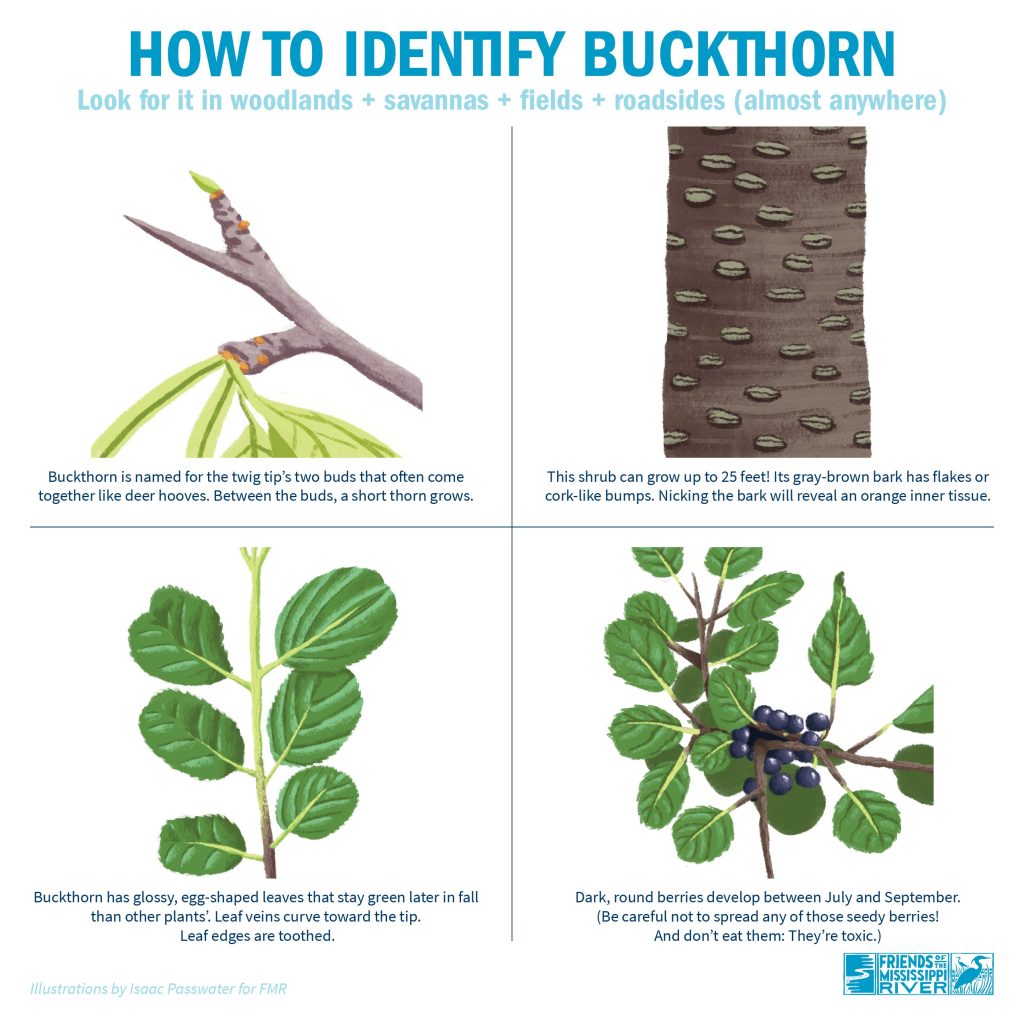
Buckthorn, a seemingly innocent shrub, actually harbors a sinister secret. Why is buckthorn bad? This invasive plant wreaks havoc on ecosystems, pushing out native species and disrupting the delicate balance of nature. Its aggressive growth chokes out sunlight, water, and nutrients essential for other plants to thrive. Unveil the hidden dangers of buckthorn and discover why its presence should not be overlooked.

Why is Buckthorn Bad?
Welcome, nature explorers! Today, we are going to dive into the world of buckthorn and uncover why this seemingly harmless plant can actually be quite harmful to our environment. Buckthorn may look innocent with its shiny berries and dark green leaves, but it’s a sneaky invasive species that can wreak havoc on our ecosystems. Let’s dig deeper to understand why is buckthorn bad.
The Trouble with Invasive Plants
Before we get into the specifics of buckthorn, let’s talk about what it means to be an invasive species. Invasive plants like buckthorn are not native to the areas they grow in, which means they didn’t originally belong there. When these plants are introduced to new environments, they can outcompete native plants for resources like sunlight, water, and nutrients. This disrupts the delicate balance of the ecosystem and can harm local wildlife that depend on native plants for food and shelter.
Introduction of Buckthorn
European buckthorn (Rhamnus cathartica) and common buckthorn (Rhamnus frangula) are two species of buckthorn that were brought to North America as ornamental shrubs. However, these plants quickly spread to natural areas and began to take over. The rapid growth and ability of buckthorn to form dense thickets make it a formidable opponent for native plants trying to survive in the same habitats.
Shade and Competition
One of the reasons why buckthorn is so bad for our environment is its ability to create dense shade that blocks out sunlight. Native plants that are used to receiving sunlight to photosynthesize and grow can’t compete with the thick canopy of buckthorn. This leads to a decrease in plant diversity and can even result in the decline of certain plant species that are crucial to the ecosystem.
Impact on Wildlife
Not only does buckthorn harm native plants, but it also negatively affects wildlife. Many birds and insects rely on native plants for food and habitat. When buckthorn takes over an area, it can displace these native plants, leaving wildlife with fewer resources to survive. This can disrupt the food chain and have cascading effects on the entire ecosystem.
Soil Degradation
Another reason why buckthorn is considered bad is its impact on soil health. Buckthorn has a shallow root system that can’t hold soil in place as effectively as deep-rooted native plants. This can lead to soil erosion, especially in areas with steep slopes. Soil erosion not only damages the landscape but also affects water quality as sediment can run off into nearby water bodies, harming aquatic life.
Spread and Control
One of the biggest challenges with buckthorn is its ability to spread rapidly. Birds are attracted to the berries of buckthorn and help in dispersing the seeds far and wide. This makes controlling buckthorn a difficult task. However, there are methods like mechanical removal, herbicide treatment, and prescribed burns that can help manage buckthorn infestations and restore native plant communities.
In conclusion, buckthorn may seem harmless at first glance, but it poses a serious threat to our environment. Its invasive nature disrupts ecosystems, harms wildlife, degrades soil, and can outcompete native plants. By understanding why buckthorn is bad, we can take steps to protect our natural areas and preserve the beauty and diversity of our ecosystems. Remember, when it comes to buckthorn, it’s best to keep it at bay and give native plants the space they need to thrive!
Thank you for joining me on this exploration of why buckthorn is bad. Let’s work together to keep our natural world healthy and vibrant!
Why is buckthorn a problem?
Frequently Asked Questions
What are the negative effects of buckthorn on the environment?
Buckthorn is considered bad because it is an invasive species that outcompetes native plants for resources, leading to reduced biodiversity. Its dense growth can alter ecosystems and disrupt natural habitats.
How does buckthorn impact wildlife?
Buckthorn negatively affects wildlife by providing poor-quality food and habitats. Birds, in particular, may mistakenly consume buckthorn berries, which have a laxative effect, impacting their health and behavior.
Why is buckthorn harmful to human well-being?
Buckthorn can be harmful to human well-being due to its thorny branches, which can create dense, impenetrable thickets. These thorny thickets pose challenges for outdoor activities and can reduce property values.
Final Thoughts
In summary, buckthorn is bad due to its aggressive nature and harmful impact on ecosystems. Its rapid growth outcompetes native plants, leading to a decline in biodiversity. Additionally, buckthorn alters soil composition, further disrupting the balance of plant species. Its dense growth also hinders sunlight from reaching native plants, affecting their growth. Overall, the invasive nature of buckthorn poses a serious threat to the health of ecosystems, making it imperative to actively manage its spread.


