

 Duane Roberts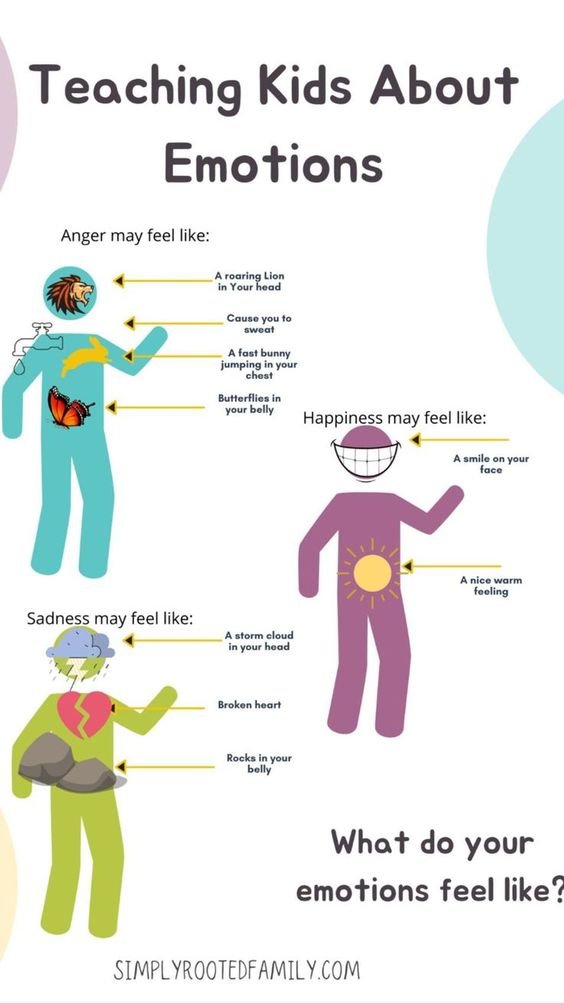
“Why is my 4-year-old so emotional?” This common question can leave many parents feeling overwhelmed. Understanding that emotional outbursts are a normal part of a child’s development is key. At this age, children are still learning to regulate their emotions and express themselves effectively. Factors such as changes in routine, new experiences, or even tiredness can trigger emotional responses in young children. By acknowledging and validating their feelings, parents can help their 4-year-olds navigate their emotions in a healthy way.

Why Is My 4-Year-Old So Emotional: Understanding the Rollercoaster
Parenting a 4-year-old can often feel like riding an emotional rollercoaster. One moment they are laughing joyfully, and the next, they are in tears over something seemingly trivial. If you find yourself wondering, “Why is my 4-year-old so emotional?” you are not alone. Understanding the complexities of emotions in young children can help you navigate this challenging yet rewarding phase of their development. Let’s delve into the reasons behind your little one’s emotional outbursts and how you can support them through this crucial stage.
Developmental Milestones and Emotional Expression
At the age of 4, children are experiencing rapid cognitive, social, and emotional development. They are learning to navigate a wide range of emotions while developing the necessary skills to express themselves effectively. However, their emotional vocabulary and regulatory abilities are still in the early stages of development, leading to frequent outbursts and mood swings.
The Role of Brain Development
During early childhood, the brain undergoes significant growth and rewiring, particularly in areas responsible for emotional regulation and impulse control. The prefrontal cortex, the part of the brain that helps regulate emotions, is still maturing in 4-year-olds. This means that your child may struggle to manage their emotions effectively, leading to intense emotional reactions to seemingly minor events.
Peer Interactions and Social Learning
As children move towards their preschool years, they begin to interact more with peers and navigate complex social situations. These interactions can be both rewarding and challenging, as children learn to share, take turns, and negotiate with others. Emotional outbursts may occur when they face conflicts or misunderstandings with their friends, as they are still learning how to regulate their emotions in social settings.
Understanding Triggers and Emotional Responses
Identifying the triggers that lead to your 4-year-old’s emotional outbursts is key to helping them navigate their feelings. Common triggers for emotional responses in young children include:
Overstimulation
Young children are highly sensitive to their environment, and overstimulation can easily overwhelm them. Loud noises, bright lights, or crowded spaces can trigger emotional reactions in 4-year-olds. If your child seems more emotional after a busy day or a noisy outing, they may be reacting to sensory overload.
Transitions and Changes
4-year-olds thrive on routine and predictability. Any sudden changes in their schedule or environment can lead to emotional distress. Moving to a new house, starting preschool, or even a shift in their daily routine can trigger anxiety and emotional outbursts in young children.
Unmet Needs
Children at this age are still learning to articulate their needs and desires. When they feel hungry, tired, or unwell, they may struggle to express their discomfort verbally, leading to emotional outbursts. It’s essential to pay attention to your child’s basic needs and ensure they are well-rested, well-fed, and comfortable.
Supporting Your Emotional 4-Year-Old
As a parent, there are several strategies you can employ to support your emotional 4-year-old through their ups and downs:
Encourage Emotional Expression
Provide your child with a safe space to express their emotions without judgment. Encourage them to use words to describe how they are feeling, even if it’s as simple as “I am mad” or “I feel sad.” By acknowledging and validating their emotions, you help them develop a healthy emotional vocabulary.
Model Positive Coping Strategies
Children learn by observing the behavior of adults around them. Show your child how to cope with difficult emotions in a healthy way, such as taking deep breaths, counting to ten, or engaging in a calming activity. By modeling positive coping strategies, you teach your child valuable emotional regulation skills.
Establish Consistent Routines
Consistency and predictability can help reduce anxiety and emotional outbursts in young children. Create a daily routine that your child can rely on, with set mealtimes, bedtime rituals, and transition cues. Knowing what to expect can provide a sense of security for your 4-year-old.
Seeking Professional Support
If you find that your 4-year-old’s emotional struggles are impacting their daily life or relationships, consider seeking professional support. A child psychologist or therapist can help identify underlying issues and provide strategies to support your child’s emotional well-being.
In Conclusion
Parenting a 4-year-old can be challenging, especially when faced with their intense emotional reactions. By understanding the factors contributing to your child’s emotional outbursts and providing them with the necessary support and guidance, you can help them navigate this crucial stage of their development with patience and empathy. Remember, emotional expression is a natural part of growing up, and by nurturing your child’s emotional intelligence, you empower them to navigate their feelings in a healthy and constructive manner.
6 tips to help your children control their emotions | UCLA Healthy Living Tips
Frequently Asked Questions
Why does my 4-year-old show strong emotions?
At 4 years old, children are still learning to regulate their emotions due to their rapidly developing brains and limited life experiences. This can lead to outbursts of strong emotions like tantrums, meltdowns, or overexcitement.
How can I help my 4-year-old manage their emotions?
One way to help your 4-year-old manage their emotions is by teaching them simple and age-appropriate coping strategies such as taking deep breaths, counting to ten, or using words to express their feelings. Being patient, validating their emotions, and being a positive role model in managing emotions can also be beneficial.
Is it normal for a 4-year-old to have frequent mood swings?
Yes, it is normal for 4-year-olds to have frequent mood swings due to their developing emotional awareness and limited ability to regulate emotions. Factors like tiredness, hunger, or changes in routine can also contribute to mood swings in young children.
Final Thoughts
It is normal for 4-year-olds to display strong emotions due to their developing brain and limited coping skills. Understanding their perspective and providing a safe environment for expression can help manage their emotions. By acknowledging their feelings and teaching simple coping strategies, you can support your child’s emotional development. Remember, “Why is my 4-year-old so emotional” is a common question, but with patience and guidance, you can navigate this phase together.


