

 Duane Roberts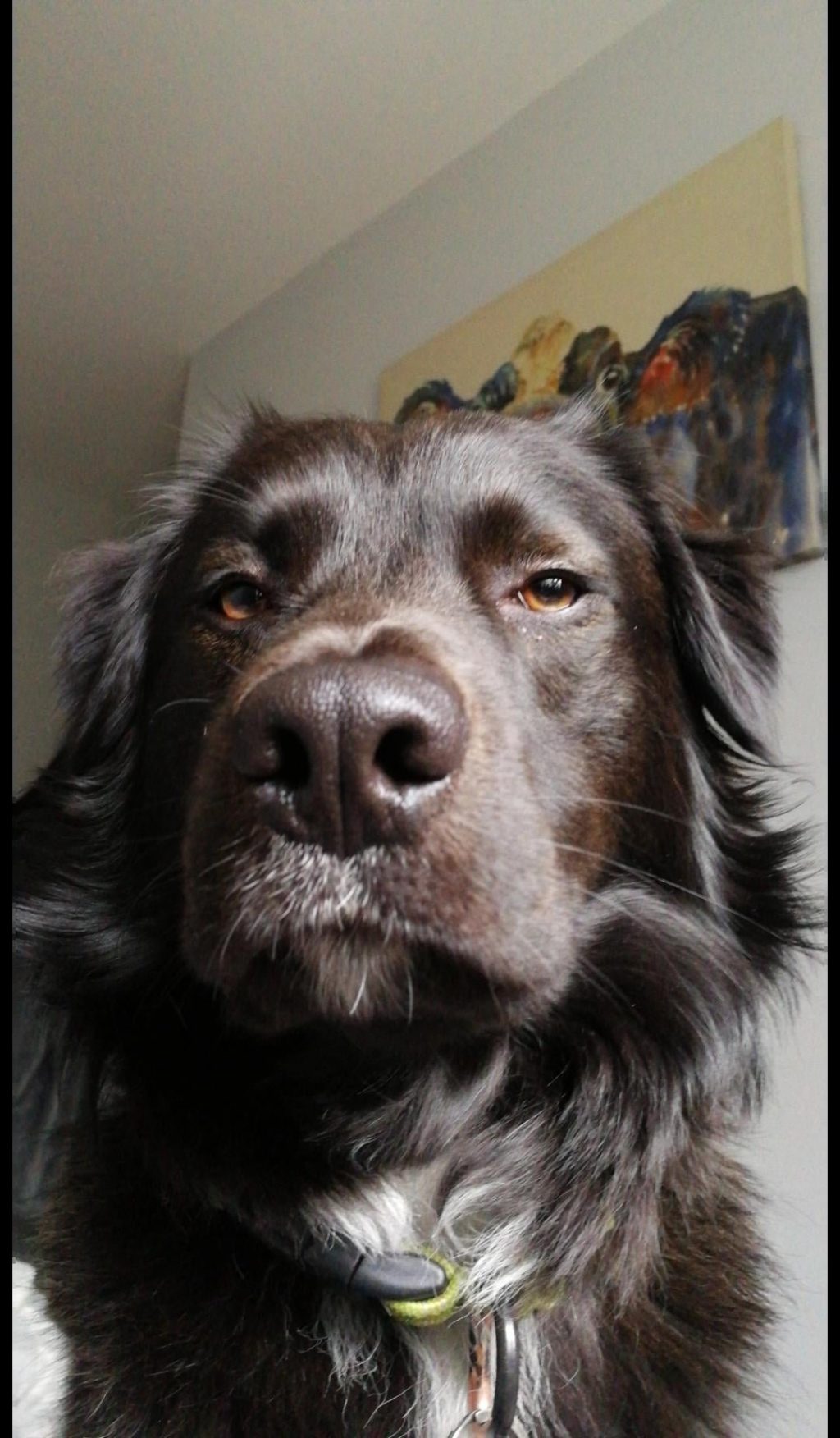
Your black dog turning brown may be due to a condition called “black hair follicular dysplasia.” This genetic disorder can cause a black dog’s coat to gradually lighten and change color. Additionally, exposure to sunlight, poor diet, or certain health issues may also contribute to this phenomenon. Understanding the underlying reasons behind why is my black dog turning brown is crucial to ensure your pet’s well-being and proper care. Stay tuned to learn more about this intriguing color change in your beloved furry companion.

Why Is My Black Dog Turning Brown
Have you noticed that your once black dog is starting to turn brown? It can be quite surprising to see such a change in your furry friend’s coat color. But don’t worry, there are several reasons why this may be happening. Let’s delve into the possible causes behind why your black dog may be turning brown.
1. Sun Exposure
One common reason why black dogs may turn brown is prolonged exposure to the sun. Just like humans, dogs can also experience sun damage to their fur. The ultraviolet (UV) rays from the sun can cause the black pigment in your dog’s fur to fade, resulting in a brownish hue.
To prevent this, make sure your dog has access to shade when outdoors, especially during peak sunlight hours. You can also consider using pet-safe sunscreen to protect your dog’s coat from sun damage.
2. Genetics
Genetics play a significant role in determining your dog’s coat color. Some black dogs may have genes that cause their coat to change color over time. This natural process can lead to a shift from black to brown as your dog ages.
If your dog’s coat change is due to genetics, there may not be much you can do to reverse it. Embrace your dog’s new color and continue to provide them with love and care just as you always have.
3. Diet and Nutrition
The food your dog eats can also impact their coat color. A lack of essential nutrients in your dog’s diet can affect the quality and color of their fur. If your black dog is turning brown, it could be a sign that they are not getting the right balance of nutrients.
Consider consulting with your veterinarian to ensure that your dog is receiving a well-rounded diet that supports their overall health, including the condition of their coat. Adding supplements or adjusting their diet may help restore their coat color.
4. Seasonal Changes
Seasonal changes can also influence your dog’s coat color. For some black dogs, their fur may naturally lighten or change shades during different seasons. This can be particularly noticeable in breeds with longer, thicker coats.
Observe whether your dog’s coat color fluctuates with the seasons. If the change is temporary and coincides with specific times of the year, it may simply be a natural response to environmental factors.
5. Skin Conditions
Underlying skin conditions can sometimes manifest as changes in your dog’s coat color. Issues such as allergies, infections, or hormonal imbalances can impact the health of your dog’s skin and fur, leading to discoloration.
If you suspect that your dog’s change in coat color is related to a skin condition, it’s essential to seek guidance from your veterinarian. They can diagnose the issue and recommend appropriate treatment to address the underlying cause of the discoloration.
6. Aging Process
As dogs age, their coat may naturally undergo changes, including alterations in color. Just like humans may experience graying hair over time, dogs can also see shifts in their coat color as they grow older.
If your black dog is turning brown as they age, it’s a normal part of the maturing process. Provide your senior pup with the care and attention they need to stay healthy and comfortable in their golden years.
Seeing your black dog turn brown can be a puzzling experience, but it’s essential to remember that there are various factors that can contribute to this change. From sun exposure and genetics to diet and skin conditions, there are multiple reasons why your black dog’s coat may be turning brown.
By understanding the potential causes behind this color transformation and addressing any underlying issues, you can ensure that your furry companion remains happy and healthy, regardless of their coat color. Remember, your dog’s well-being is what matters most, no matter what shade their fur may be!
Dad catches son wetting dog then mom does this #shorts
Frequently Asked Questions
Why is my black dog’s fur changing color to brown?
There can be several reasons why your black dog’s fur is turning brown. One common reason is exposure to sunlight, which can cause the melanin in the fur to lighten and appear brownish. Another possibility is a nutrient deficiency in the diet, leading to changes in the pigmentation of the coat. It’s essential to consult a veterinarian to rule out any underlying health issues.
How can I prevent my black dog’s fur from turning brown?
To prevent your black dog’s fur from changing color to brown, you can take measures to protect them from excessive sun exposure by providing shade outdoors and using pet-friendly sunscreen. Ensuring a balanced diet with adequate nutrients can also help maintain the natural color of the fur. Regular grooming and hygiene practices can further aid in preserving the coat’s color and health.
Is it normal for a black dog’s fur to turn brown with age?
As dogs age, it is not uncommon for their fur to undergo changes in color, including a black coat turning brown. This can be a natural part of the aging process and is often attributed to the gradual decrease in melanin production in the hair follicles. While this change may be inevitable, proper care and nutrition can help slow down the process and keep your dog’s coat healthy.
Final Thoughts
Your black dog may be turning brown due to sun exposure or a health issue. Ensure your pet is not spending too much time in the sun. Monitor their skin and fur for any changes or signs of discomfort. Seek veterinary advice if the brown coloring persists or is accompanied by other symptoms. Remember, understanding why your black dog is turning brown is crucial for their overall health and well-being.


