

 Duane Roberts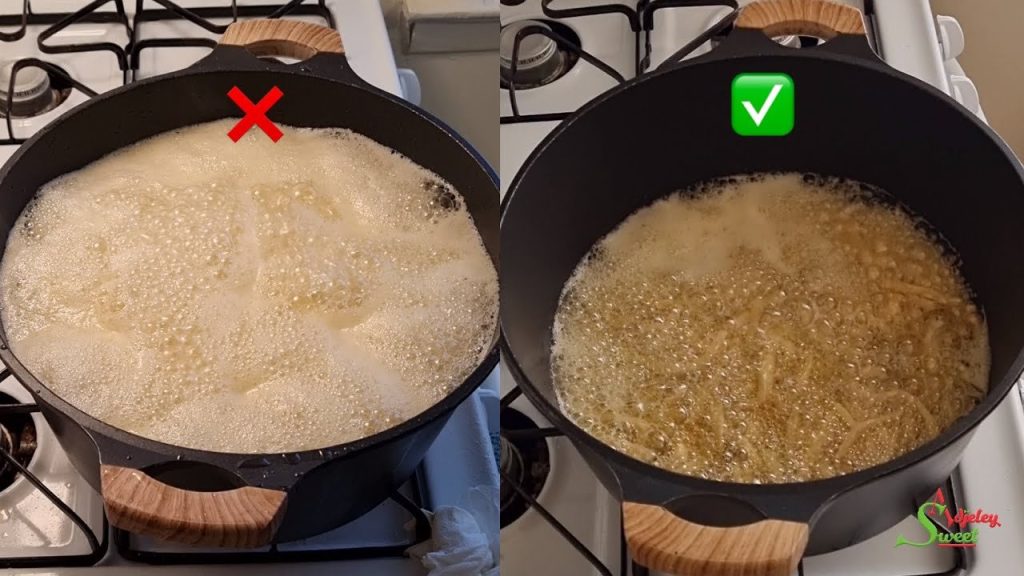
When you notice your cooking oil foaming, don’t panic – it’s a common issue with a simple explanation. Foaming occurs when water or certain food particles interact with heated oil. This reaction can lead to splattering and mess in the kitchen. By understanding why is my cooking oil foaming, you can prevent accidents and ensure your cooking process runs smoothly. Let’s dive into the reasons behind this phenomenon and how you can address it effectively.

Why is my Cooking Oil Foaming: Exploring the Science Behind the Bubbles
Welcome to the kitchen, where the magic of cooking happens! Have you ever noticed that when you heat up your cooking oil, it starts to bubble and foam? It’s like a mini science experiment right on your stove. But why does this happen? Let’s dive into the fascinating world of cooking oil foaming and uncover the reasons behind this bubbly phenomenon.
The Basics of Cooking Oil
Before we unravel the mystery of foaming oil, let’s understand the basics. Cooking oil is an essential ingredient in many recipes as it helps conduct heat and adds flavor to your dishes. Different oils have different smoke points, which is the temperature at which the oil starts to smoke and break down.
When you heat cooking oil, it undergoes a process called thermal decomposition, where the oil molecules break down due to high temperatures. This process can lead to the formation of bubbles and foam, which can be both fascinating and sometimes a little messy.
Factors That Cause Cooking Oil to Foam
Now, let’s explore the various factors that contribute to cooking oil foaming:
Water Content
One common reason for cooking oil foaming is the presence of water in the oil. When water comes into contact with hot oil, it vaporizes rapidly, causing bubbles and foam to form. This is why it’s essential to ensure that your ingredients are dry before adding them to hot oil.
High Heat
Another factor that can cause cooking oil to foam is high heat. When you heat oil to a very high temperature, it can reach its smoke point quickly, leading to thermal decomposition and the production of bubbles. To prevent excessive foaming, it’s important to control the heat and avoid overheating the oil.
Presence of Impurities
If your cooking oil contains impurities or food particles, these can also contribute to foaming. When impurities come into contact with hot oil, they can react and form bubbles. To minimize foaming, make sure to use clean and fresh oil for cooking.
Types of Cooking Oils That Foam
Not all cooking oils foam in the same way. Some oils are more prone to foaming due to their composition and smoke points. Here are a few types of cooking oils that are known to foam:
Canola Oil
Canola oil is a popular choice for cooking, but it has a relatively low smoke point compared to other oils. When heated to high temperatures, canola oil can foam and produce bubbles. To prevent excessive foaming, consider using canola oil for low to medium-heat cooking.
Extra Virgin Olive Oil
Extra virgin olive oil is another oil that can foam when heated. This type of olive oil has a lower smoke point than regular olive oil, making it more prone to foaming. To minimize foaming, opt for regular olive oil or other oils with higher smoke points for high-heat cooking.
How to Prevent Cooking Oil Foaming
While a little foaming can add a fun element to your cooking, excessive foaming can be a nuisance. Here are some tips to help prevent cooking oil foaming:
Use the Right Oil
Choose cooking oils with higher smoke points for high-heat cooking to reduce the chances of foaming. Oils like avocado oil, peanut oil, and vegetable oil are good options for frying and sautéing at high temperatures.
Control the Heat
Keep an eye on the temperature of your oil and adjust the heat as needed to prevent overheating. Using a thermometer can help you maintain the right temperature and avoid excessive foaming.
Strain the Oil
If you notice that your cooking oil has impurities or food particles, consider straining it before heating. This can help reduce the chances of foaming and ensure a smoother cooking experience.
Now that you’ve got a better understanding of why your cooking oil foams, you can cook with confidence and curiosity. Remember, a little foaming is all part of the cooking adventure, but with the right knowledge and techniques, you can prevent excessive bubbling and enjoy a seamless cooking experience. So, next time you see your oil starting to foam, you’ll know exactly why!
Happy cooking and may your culinary creations be free of foamy surprises!
Foaming oil
Frequently Asked Questions
Why is my cooking oil foaming?
There are several reasons why cooking oil may foam when heated. One common reason is the presence of moisture in the oil. When oil comes into contact with water or food with high water content, it can cause foaming. Another reason could be the oil reaching its smoke point, which results in the formation of bubbles and foam. Additionally, using oil that is not suitable for high-temperature cooking can also lead to foaming.
How can I prevent my cooking oil from foaming?
To prevent cooking oil from foaming, make sure to thoroughly dry any food before adding it to hot oil. Avoid overcrowding the pan, as this can cause excess moisture to be released and lead to foaming. Use oils with high smoke points for frying and avoid overheating the oil. Regularly filtering and changing the oil can also help prevent foaming.
Is it dangerous if my cooking oil is foaming?
Foaming cooking oil is not necessarily dangerous, but it can be an indication that the oil is becoming too hot or that there is excess moisture present. If the foaming is excessive or if the oil starts to smoke, it can lead to splattering and potentially cause burns. It is important to monitor the oil closely and take steps to reduce foaming to prevent accidents in the kitchen.
Final Thoughts
In conclusion, cooking oil may foam due to water or food particles present in the pan. Excessive heat can also cause foaming. Ensuring a clean, dry pan and using the right temperature can prevent foaming. When cooking oil foams, it can lead to messy spills and potentially dangerous situations. By understanding the reasons behind why cooking oil is foaming, you can take the necessary steps to prevent it from happening.


