

 Duane Roberts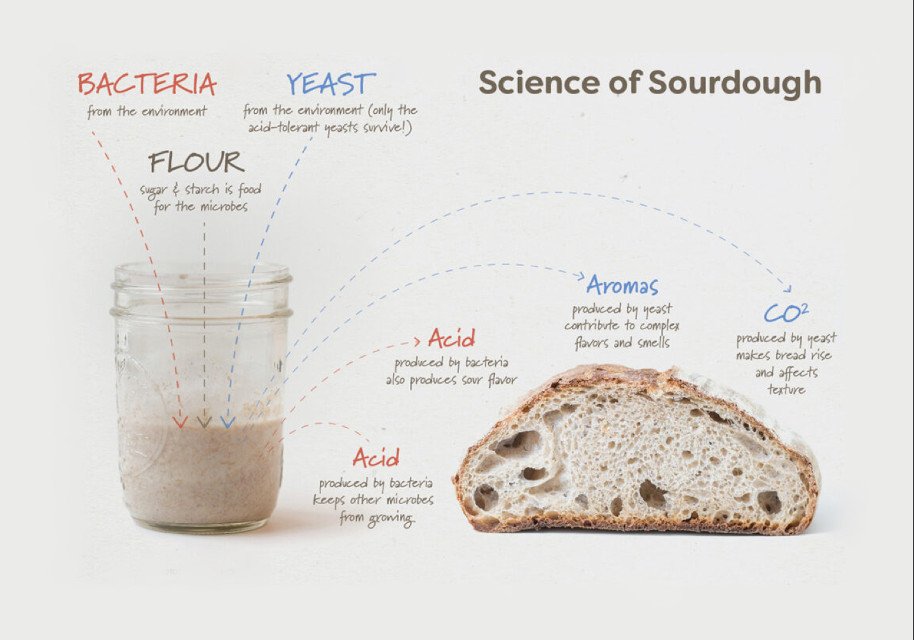
Sourdough. The enigmatic bread that holds a depth of flavor and history within its humble crust. But why is sourdough called sourdough? The answer lies in its defining characteristic—the tangy, slightly sour taste that sets it apart from all other loaves. This distinctive flavor is a result of wild yeast and lactobacilli working in harmony during the fermentation process, giving sourdough its signature tang. Join us on a delicious journey to uncover the origins and secrets behind the beloved sourdough bread.

Unraveling the Mystery: Why is Sourdough Called Sourdough?
Welcome, bread lovers and curious minds! Have you ever wondered why that tangy, chewy loaf of bread you adore is called “sourdough”? The answer might surprise you! In this blog post, we will dive deep into the fascinating world of sourdough bread and uncover the origins of its unique name. So, grab a warm slice of sourdough, sit back, and let’s unravel the mystery together!
The Ancient Roots of Sourdough
To understand why sourdough is called sourdough, we need to take a journey back in time to ancient civilizations where this magical bread first appeared. Sourdough has been a staple in human diets for thousands of years, with evidence of its existence dating back to ancient Egypt and Mesopotamia. The process of making sourdough involves capturing wild yeast and bacteria to ferment the dough, giving it its distinctive flavor and texture.
So, why “sourdough”? The name actually stems from the unique tangy taste that is produced during the fermentation process. As the wild yeast and bacteria interact with the flour and water, they release lactic acid, which gives sourdough its signature sour flavor. This natural fermentation process is what sets sourdough apart from other types of bread and gives it its characteristic tanginess.
The Science Behind the Name
Now that we know where sourdough bread originated, let’s delve into the science behind why it’s called “sourdough.” The key to understanding this is in the fermentation process. When you mix flour and water together and allow it to sit, the wild yeast and bacteria present in the environment begin to feed on the carbohydrates in the flour, producing carbon dioxide and lactic acid.
It is this lactic acid that gives sourdough its sour taste. The longer the dough ferments, the more pronounced the sour flavor becomes. This tangy characteristic is what makes sourdough so beloved by bread enthusiasts around the world.
The Sourdough Starter
One of the essential components of making sourdough bread is the sourdough starter. This starter is a mixture of flour and water that has been allowed to ferment, capturing wild yeast and bacteria from the environment. The starter is what gives sourdough bread its unique flavor and texture.
When you refresh your sourdough starter by adding more flour and water, you are essentially feeding the wild yeast and bacteria, allowing them to continue fermenting and producing lactic acid. This ongoing fermentation process is what keeps your sourdough starter alive and active, ready to be used to make delicious bread.
The Cultural Significance of Sourdough
Beyond its delightful taste and chewy texture, sourdough holds a special place in the hearts of many cultures around the world. In the United States, sourdough bread became synonymous with the Gold Rush era, as miners and settlers relied on sourdough as a staple food due to its durability and long shelf life. The term “sourdough” even became a nickname for experienced prospectors.
Similarly, in Europe, sourdough has deep roots in traditional baking practices, with each region having its own unique sourdough recipes and techniques. From the tangy San Francisco sourdough to the hearty German Bauernbrot, sourdough bread has been passed down through generations, carrying with it the stories and traditions of the people who have baked it.
So, why is sourdough called sourdough? The answer lies in its ancient origins, the science behind its fermentation process, and the cultural significance it holds. The unique tangy flavor of sourdough bread is a testament to the power of wild yeast and bacteria working together to create something truly magical.
Next time you enjoy a warm slice of sourdough bread, remember the rich history and science behind its name. Sourdough isn’t just bread – it’s a delicious reminder of our connection to the past and the art of artisanal baking. Embrace the sourness, savor the flavor, and let sourdough take you on a journey through time and taste!
Sourdough vs. “Normal” Bread. What’s the Difference?
Frequently Asked Questions
What is the reason behind calling sourdough “sourdough”?
Sourdough gets its name from the fermentation process that gives it a slightly tangy or sour flavor. This fermentation occurs when wild yeast and lactobacilli bacteria interact with flour and water to create a natural leaven. As the dough ferments over time, it develops its characteristic flavor profile, which is often described as tangy or sour. The sourdough culture that forms during this process is what sets sourdough apart from other types of bread.
How does the sourdough fermentation process contribute to its name?
The fermentation process in sourdough bread involves wild yeast and lactobacilli bacteria breaking down the sugars in the flour, which creates lactic acid. This lactic acid is what gives sourdough its signature tangy taste. The longer the fermentation process, the more pronounced the sour flavor becomes. This natural fermentation process is what distinguishes sourdough from other bread types and lends it its unique name.
Why is sourdough known for having a tangy or sour taste?
Sourdough bread is known for its tangy or sour flavor due to the presence of lactic acid produced during the fermentation process. The wild yeast and lactobacilli bacteria present in the sourdough culture break down the sugars in the flour, creating lactic acid as a byproduct. This lactic acid gives sourdough its distinctive tanginess, which intensifies the longer the dough ferments. The tangy taste of sourdough is a result of the natural fermentation process that occurs when making this type of bread.
Final Thoughts
Sourdough gets its name from the natural fermentation process that produces lactic acid, creating a tangy flavor. This unique method gives sourdough its distinctive taste and texture. Understanding ‘why is sourdough called sourdough’ highlights its traditional roots and importance in baking history. Enjoy the rich history and flavor of sourdough bread with every bite.


