

 Duane Roberts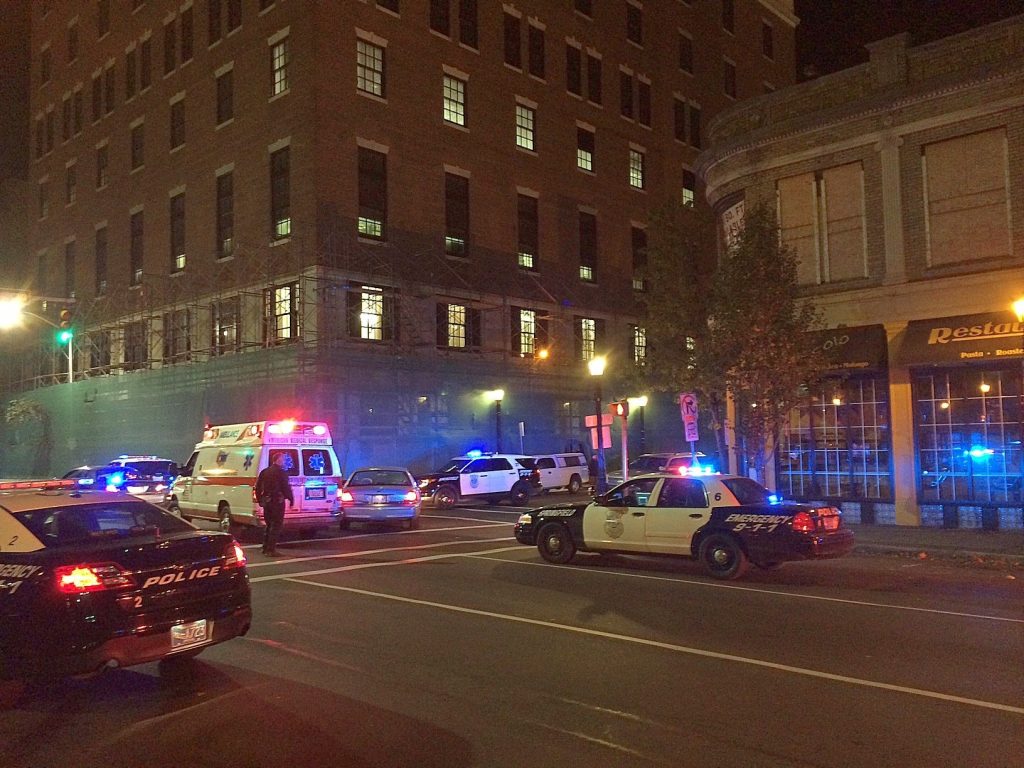
Springfield, Missouri is so dangerous due to its alarming crime rates and growing concerns about public safety. Drug-related offenses, violence, and property crimes plague the city, leaving residents and visitors on edge. Law enforcement struggles to keep up with the rising criminal activity, leading to a sense of unease amongst the community. Exploring the root causes and potential solutions is crucial in understanding why Springfield, Missouri remains a hotbed of danger.

Why is Springfield, Missouri So Dangerous?
The Crime Rate in Springfield
Springfield, Missouri, known for its picturesque landscapes and friendly community, sadly also has a darker side when it comes to crime. One of the primary reasons why Springfield is considered dangerous is its crime rate. According to recent statistics, Springfield has a higher crime rate compared to many other cities in Missouri. The city has seen an increase in violent crimes such as assaults, robberies, and homicides over the past few years.
These crimes can occur anywhere, from quiet neighborhoods to bustling commercial areas. It’s essential to stay vigilant and be aware of your surroundings when in Springfield to stay safe from potential dangers.
Drug and Substance Abuse
Another significant factor contributing to the danger in Springfield is drug and substance abuse. Unfortunately, drug-related crimes, such as possession, distribution, and the associated violence, are prevalent in the city. Substance abuse can lead individuals to engage in risky behaviors and criminal activities, posing a threat to the safety of the community.
The presence of drugs and the associated crime can make certain areas of Springfield unsafe, especially for families and children. It is crucial to educate the community about the dangers of substance abuse and work towards creating a safer environment for everyone.
High Rates of Poverty
Poverty is a complex issue that often correlates with higher crime rates, and Springfield is no exception. The city struggles with high rates of poverty, leading to economic disparities and social challenges. Poverty can drive individuals to resort to criminal activities as a means of survival, exacerbating the crime problem in the city.
Areas with concentrated poverty may experience higher rates of crime, making them unsafe for residents and visitors alike. Addressing poverty through community support and economic development initiatives is crucial to reducing crime and improving safety in Springfield.
Lack of Mental Health Resources
Mental health plays a significant role in public safety, and the lack of adequate mental health resources in Springfield contributes to the city’s dangerous reputation. Individuals facing mental health issues may not receive the support and treatment they need, leading to behaviors that pose risks to themselves and others.
Without proper mental health services and interventions, individuals struggling with mental health conditions may be more likely to engage in criminal activities. Improving access to mental health resources and destigmatizing mental illness are essential steps towards creating a safer and healthier community in Springfield.
Inadequate Policing and Law Enforcement
Effective policing and law enforcement are critical components of maintaining public safety, but Springfield faces challenges in this area as well. The city may have insufficient resources for policing, leading to a lack of proactive crime prevention efforts and timely responses to incidents.
Inadequate policing can embolden criminals and contribute to a sense of lawlessness in certain areas of the city. Collaboration between law enforcement agencies, community organizations, and residents is crucial to address these challenges and improve the overall safety of Springfield.
In conclusion, Springfield, Missouri, faces various challenges that contribute to its reputation as a dangerous city. From high crime rates and drug abuse to poverty and inadequate mental health resources, the city grapples with multiple factors that impact public safety.
Addressing these issues requires a comprehensive approach that involves the community, local government, law enforcement, and social service agencies working together towards creating a safer environment for all residents. By understanding the root causes of Springfield’s dangers and taking proactive measures to address them, we can strive towards building a safer and more vibrant city for everyone.
Report: Springfield named 4th most dangerous college town in America – KOZL 9PM
Frequently Asked Questions
What are some safety concerns in Springfield, Missouri?
Springfield, Missouri faces safety challenges like any other city, including property crimes, drug-related incidents, and occasional violent crimes. It is important to stay vigilant and be aware of your surroundings in certain areas, especially at night.
How does Springfield, Missouri compare to other cities in terms of crime rates?
While Springfield is generally considered a safe city, it does have higher crime rates compared to some nearby areas. Factors like population density, poverty levels, and law enforcement resources can contribute to the overall safety of a city.
What measures are being taken to address safety concerns in Springfield, Missouri?
The local law enforcement agencies in Springfield work diligently to combat crime through community policing initiatives, increased patrols in high-crime areas, and collaborations with other organizations to promote safety and reduce criminal activities.
Final Thoughts
Springfield, Missouri’s high crime rates and prevalence of drug-related activities make it a dangerous city. The combination of poverty, lack of resources, and easy access to drugs contribute to the city’s issues. Additionally, gang violence and property crimes further add to the overall danger in Springfield. The question of “why is Springfield, Missouri so dangerous” can be answered by looking at these various contributing factors.


