Harold Harris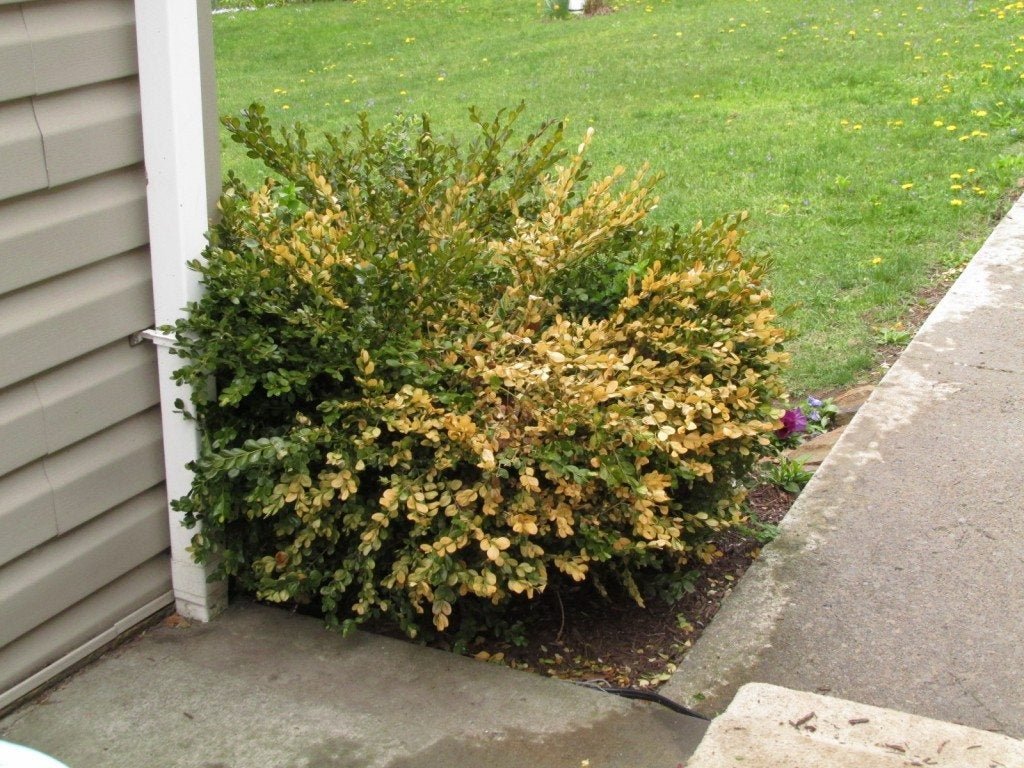
Your boxwoods turning yellow may be due to nutrient deficiencies. Lack of iron or nitrogen can cause this discoloration, impacting the plant’s health and appearance. To address this issue, consider fertilizing your boxwoods with a balanced formula to provide the necessary nutrients for vibrant growth. Paying attention to soil pH levels and proper watering can also contribute to maintaining the lush green color of your boxwoods. Keep reading to explore other potential causes for why are my boxwoods turning yellow.

Why Are My Boxwoods Turning Yellow?
Welcome, fellow plant enthusiasts! If you’ve found yourself here, scratching your head over why your beloved boxwoods are sporting a less-than-vibrant shade of yellow, fear not – we’re here to break down the mystery behind this common gardening woe. Boxwoods, with their lush green leaves and tidy appearance, are a favorite choice for many gardeners. So, when they start turning yellow, it can be quite alarming. But worry not, we’re going to delve into the reasons behind this color change and what you can do to help your boxwoods thrive again.
Understanding Boxwoods
Before we dive into the yellowing issue, let’s take a moment to appreciate these versatile shrubs. Boxwoods are evergreen plants known for their dense foliage, compact growth, and ability to be shaped into various forms. They are commonly used for hedges, borders, and as standalone ornamental plants in gardens. With proper care, boxwoods can be long-lived and resilient additions to your outdoor space.
Possible Causes of Yellowing Boxwoods
Now, let’s get to the root of the matter – why are your once-green boxwoods looking a bit yellow? There are several factors that could contribute to this color change, ranging from environmental conditions to pests and diseases. Let’s explore some common culprits:
1. Watering Issues
One of the most frequent causes of yellowing boxwoods is improper watering. These plants prefer well-drained soil and don’t appreciate soggy roots. If your boxwoods are turning yellow, it could be a sign of overwatering or underwatering. Make sure to check the moisture levels in the soil regularly and adjust your watering routine accordingly.
2. Nutrient Deficiency
Just like us, plants need essential nutrients to thrive. A lack of nutrients, particularly nitrogen, can lead to yellowing leaves in boxwoods. Consider applying a balanced fertilizer to replenish the nutrients in the soil and give your plants the boost they need.
3. Soil pH Imbalance
The pH level of the soil can also impact the health of your boxwoods. These plants prefer slightly acidic soil, so if the pH is too high or too low, it can affect their ability to absorb nutrients properly. Test your soil’s pH and make adjustments as needed to create an optimal growing environment for your boxwoods.
4. Sunlight Exposure
Boxwoods thrive in partial to full sunlight conditions. If your plants are not getting enough light, their leaves may start to yellow as a result. Evaluate the sunlight exposure in your garden and consider moving your boxwoods to a location where they can receive adequate light for healthy growth.
5. Pests and Diseases
Unfortunately, boxwoods are not immune to pests and diseases. Common culprits include boxwood leafminer, boxwood mites, and fungal infections. If you notice yellowing leaves accompanied by other symptoms like holes, webs, or spots, it’s important to diagnose the issue promptly and take appropriate measures to treat the problem.
How to Revive Yellowing Boxwoods
Now that we’ve identified some potential reasons behind your yellowing boxwoods, let’s talk about how you can help your plants bounce back to their vibrant green glory:
1. Adjust Your Watering Routine
Ensure your boxwoods are receiving adequate moisture without being waterlogged. Water deeply but infrequently, allowing the soil to dry out slightly between waterings. Mulching can also help retain moisture and prevent water evaporation.
2. Fertilize Your Plants
Apply a balanced fertilizer specifically formulated for shrubs like boxwoods to provide the necessary nutrients for healthy growth. Follow the instructions on the fertilizer package and avoid over-fertilizing, as this can lead to other issues.
3. Test and Amend Your Soil
Check the pH level of your soil and make adjustments using appropriate amendments to create an ideal growing environment for your boxwoods. Adding organic matter can also improve soil structure and fertility.
4. Prune and Shape Your Boxwoods
Regular pruning not only helps maintain the shape of your boxwoods but also promotes air circulation and reduces the risk of disease. Remove any dead or yellowing leaves to encourage new growth and overall plant health.
5. Monitor for Pests and Diseases
Keep a close eye on your boxwoods for any signs of pests or diseases. Insecticidal soap, horticultural oils, or natural predators can help control common pests, while fungicides may be necessary to combat fungal infections. Early detection and intervention are key to protecting your plants.
In Conclusion
Yellowing boxwoods can be concerning, but with the right care and attention, you can help your plants recover and thrive once again. By addressing potential issues like watering, nutrient deficiencies, sunlight exposure, and pest infestations, you can support the health and vitality of your beloved boxwoods. Remember, gardening is a journey of learning and discovery, so don’t be disheartened by setbacks – use them as opportunities to grow and improve your green thumb skills. Here’s to lush, green boxwoods gracing your garden for years to come!
We hope this guide has shed some light on the question of why your boxwoods are turning yellow and provided you with actionable steps to address the issue. Happy gardening!
Q&A – What’s wrong with my boxwood? Some leaves are yellowing.
Frequently Asked Questions
Why are my boxwoods turning yellow?
Yellowing of boxwoods can be caused by various factors including inadequate sunlight, over-watering, poor drainage, nutrient deficiencies, or pests and diseases. Assessing the specific conditions in which your boxwoods are growing can help determine the exact cause of the yellowing.
How can inadequate sunlight affect the color of boxwoods?
Boxwoods require proper sunlight exposure to thrive. Insufficient sunlight can lead to yellowing as the plants may not be able to photosynthesize effectively, resulting in a lack of chlorophyll production and discoloration of the leaves.
What role does over-watering play in causing boxwoods to turn yellow?
Over-watering can lead to root rot in boxwoods, causing the leaves to turn yellow as the roots are unable to absorb nutrients properly. Excess moisture in the soil can also deprive the roots of oxygen, further contributing to the yellowing of the foliage.
How do nutrient deficiencies impact the health of boxwoods?
Nutrient deficiencies, particularly in essential elements like nitrogen, iron, or magnesium, can manifest as yellowing of the leaves in boxwoods. Proper fertilization or soil amendments may be necessary to address these deficiencies and restore the plant’s health.
Final Thoughts
Yellowing boxwoods indicate possible issues like overwatering, nutrient deficiencies, or pests. To address the problem, assess the environmental conditions and adjust watering accordingly. Regularly fertilize with a balanced formula to promote healthy growth. Keep an eye out for signs of pests and treat them promptly. Remember, understanding why your boxwoods are turning yellow is the key to restoring their vibrancy and health.