Harold Harris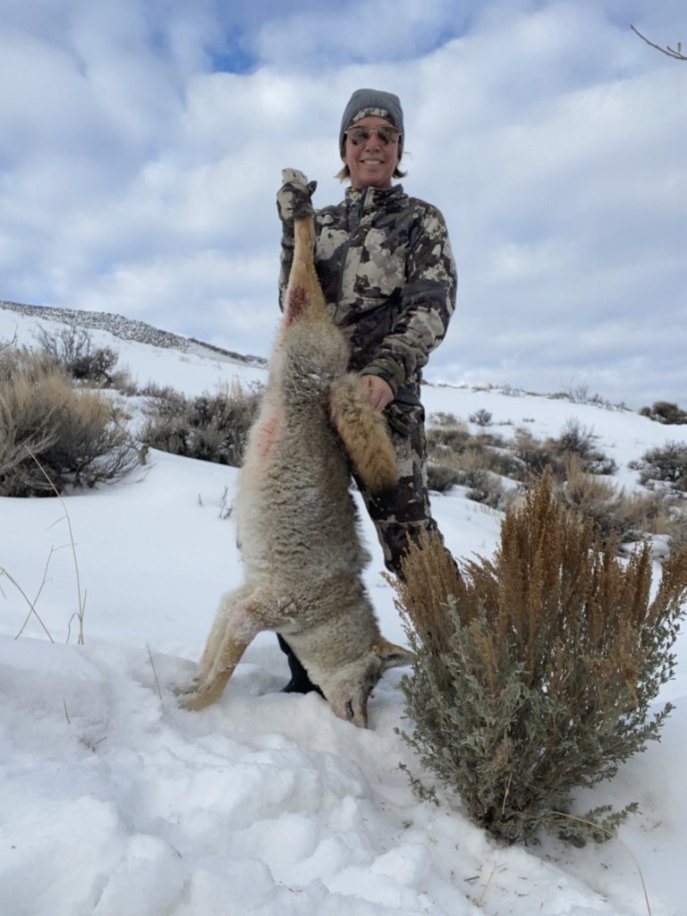
People hunt coyotes for various reasons. The elusive nature of these cunning predators often makes them challenging targets for hunters seeking a thrill. Farmers and ranchers may hunt coyotes to protect their livestock from predation, as these crafty animals can pose a threat to valuable livestock. Additionally, some individuals hunt coyotes to help manage their population and reduce conflicts with humans. Understanding the motivations behind why people hunt coyotes sheds light on the complex relationship between humans and wildlife in the wild.

Why Do People Hunt Coyotes: Understanding the Controversy and Reasons Behind It
Whether you live in the countryside or the city, you may have heard about people hunting coyotes. But have you ever wondered why they do it? In this article, we’ll dive into the world of coyote hunting to uncover the motivations behind it. From pest control to conservation efforts, there are various reasons why people hunt coyotes. Let’s explore this topic together!
The Coyote: A Wily Predator
Before we delve into why people hunt coyotes, let’s learn a bit about these creatures. Coyotes are wild canines native to North America. They are known for their adaptability and intelligence, making them successful predators in various environments. Coyotes primarily feed on small mammals, insects, fruits, and sometimes livestock. While they play a vital role in the ecosystem by controlling rodent populations, they can also pose a threat to pets, livestock, and even humans in certain situations.
Reasons Behind Coyote Hunting
1. Pest Control
One of the main reasons people hunt coyotes is to control their populations, especially in areas where they pose a threat to livestock and pets. Coyotes are known to prey on chickens, sheep, and other domestic animals, leading to financial losses for farmers and ranchers. By hunting coyotes, people aim to reduce conflicts between these predators and domestic animals.
2. Conservation Efforts
Surprisingly, hunting coyotes can sometimes be beneficial for conservation efforts. In certain regions, coyotes have been known to impact the populations of endangered species by preying on them. By managing coyote numbers through hunting, conservationists can help protect vulnerable species and maintain the balance of the ecosystem.
3. Protection of Native Wildlife
In addition to conservation efforts, hunting coyotes can also help protect native wildlife. Coyotes are opportunistic predators that can have a significant impact on local wildlife populations. By hunting coyotes responsibly, hunters can help safeguard the biodiversity of an area and prevent the decline of native species.
4. Sporting and Tradition
For some people, hunting coyotes is a sport and a cherished tradition passed down through generations. It offers a way to connect with nature, hone hunting skills, and enjoy the thrill of the chase. While hunting for sport may not be everyone’s cup of tea, it remains a significant aspect of hunting culture for many enthusiasts.
The Controversy Surrounding Coyote Hunting
Despite the various reasons for hunting coyotes, the practice is not without controversy. Critics argue that hunting coyotes can be inhumane and ineffective in the long term. There are concerns about the ethics of killing animals for sport and the potential impact on ecosystems when predators are removed.
On the other hand, supporters of coyote hunting maintain that it is a necessary tool for managing wildlife populations and protecting livelihoods. They argue that responsible hunting practices, such as using ethical hunting methods and following regulations, can help mitigate the negative effects of coyote predation.
In conclusion, the question of why people hunt coyotes is a complex issue with diverse perspectives. While some view coyote hunting as a means of pest control and conservation, others raise ethical concerns about the practice. Understanding the motivations behind coyote hunting can help foster informed discussions about wildlife management and conservation strategies.
Whether you support or oppose coyote hunting, it’s essential to consider the implications of our actions on the environment and the delicate balance of ecosystems. By continuing to research and engage in constructive dialogue, we can work towards finding sustainable solutions that benefit both humans and wildlife.
Thank you for joining us on this exploration of the reasons behind coyote hunting. Remember, the key to effective wildlife management lies in our ability to balance the needs of all species that call our planet home.
Why do people hunt coyotes?
Frequently Asked Questions
Why do hunters target coyotes?
Hunters target coyotes for various reasons, including population control, protecting livestock, and managing wildlife populations. Coyotes can pose a threat to livestock and pets, leading farmers and ranchers to seek ways to reduce their numbers. Additionally, managing coyote populations helps maintain balance in the ecosystem.
Is hunting coyotes legal?
Yes, hunting coyotes is generally legal in many states and regions. Specific regulations, such as hunting seasons, licenses, and bag limits, may vary depending on the location. It is important for hunters to familiarize themselves with the local laws and guidelines before engaging in coyote hunting.
What methods are commonly used to hunt coyotes?
Common methods used to hunt coyotes include calling, baiting, and using specially trained dogs. Hunters often use electronic or mouth-blown calls to mimic coyote sounds and attract them. Baiting involves setting up baits to lure coyotes into a specific area, while hunting with dogs can help track and corner the animals.
Final Thoughts
People hunt coyotes for various reasons, including predator management, protecting livestock, and for recreation. Coyotes are known to prey on livestock, causing financial losses to farmers. Hunting helps regulate their population and minimize conflicts with humans. Ultimately, the practice of hunting coyotes serves as a method of wildlife management and helps maintain a balance in the ecosystem. This is why people hunt coyotes.