Harold Harris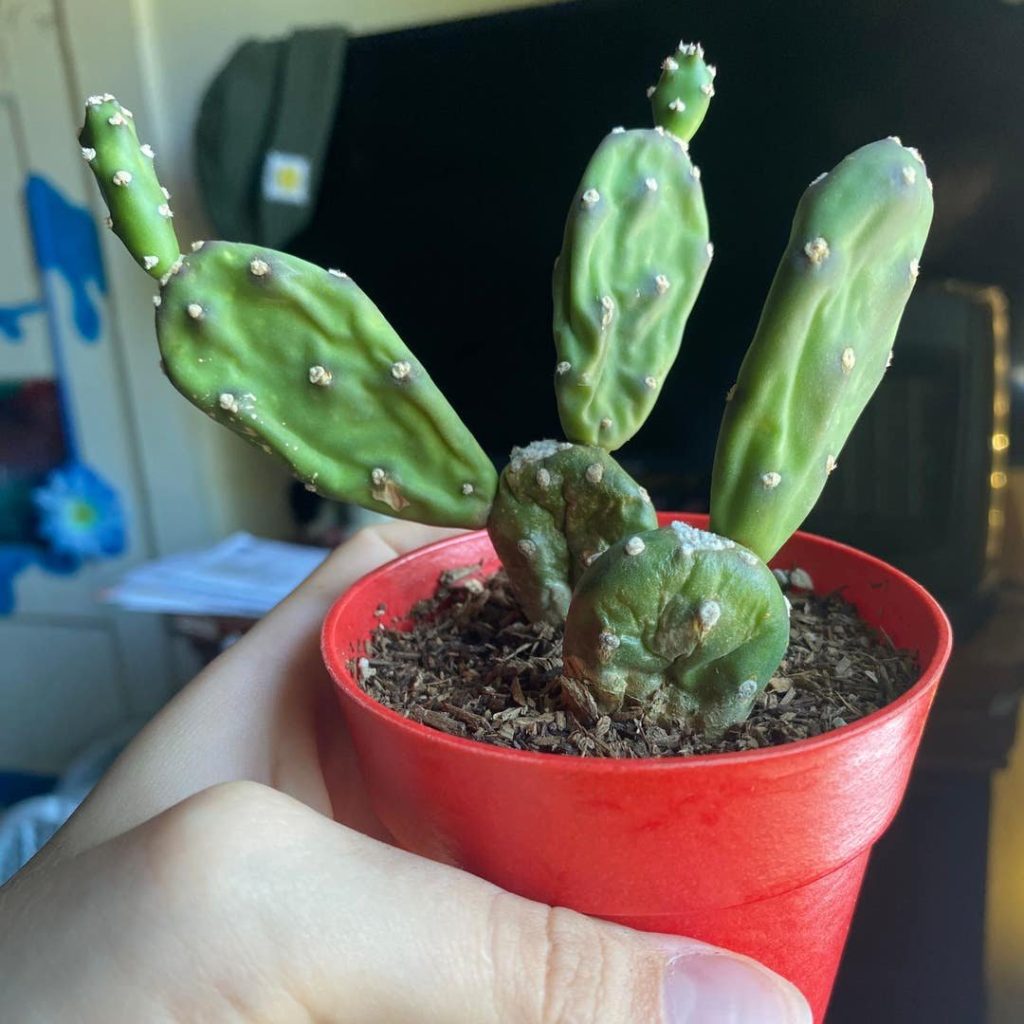
If you’re wondering, “Why is my cactus squishy?” worry not, as there might be a simple fix. A squishy cactus is often a sign of overwatering. When a cactus absorbs more water than it can handle, its tissues swell and become squishy. This article will delve into the common causes of a squishy cactus and provide tips on how to revive it back to its healthy, resilient state. Let’s explore the world of cacti care together!

Why Is My Cactus Squishy?
Welcome, young plant enthusiasts! If you’re scratching your head and wondering, “Why is my cactus squishy?” you’ve come to the right place. Cacti are often seen as tough, prickly plants, so it can be quite puzzling when you encounter a squishy cactus. Let’s dive into the fascinating world of cacti and explore the reasons behind this unusual phenomenon.
Understanding Cactus Characteristics
First things first, let’s talk about what makes cacti unique. Cacti are known for their ability to store water in specialized tissues, allowing them to survive in arid environments where water is scarce. Their thick, fleshy stems and spines are adaptations that help them conserve water and protect themselves from predators. So, why would a cactus suddenly feel squishy?
1. Overwatering
One common reason for a squishy cactus is overwatering. Cacti are desert plants that are accustomed to dry conditions. When you water your cactus too frequently or give it too much water at once, its roots may become waterlogged, leading to an overabundance of moisture in the plant’s tissues. This excess water can cause the cactus to become soft and squishy to the touch.
2. Root Rot
Another potential cause of a squishy cactus is root rot. Root rot is a fungal disease that affects the roots of plants, including cacti. When a cactus is overwatered or sits in waterlogged soil for an extended period, its roots can start to rot. As the roots decay, the cactus loses its ability to take up water and nutrients properly, resulting in a soft and mushy appearance.
3. Underwatering
While overwatering is a common issue, underwatering can also lead to a squishy cactus. When a cactus doesn’t receive enough water, it may start to shrivel and become soft to the touch. In this case, the cactus is lacking the necessary hydration to maintain its turgidity, causing it to lose its firmness.
How to Revive a Squishy Cactus
If you find yourself with a squishy cactus on your hands, don’t panic! There are steps you can take to help revive your beloved plant.
1. Assess the Problem
First, determine the cause of the squishiness. Is your cactus receiving too much water, not enough water, or is it suffering from root rot? By identifying the issue, you can take appropriate action to address it.
2. Adjust Watering Practices
Depending on the cause, adjust your watering practices accordingly. If you’ve been overwatering, allow the soil to dry out before watering again. If underwatering is the issue, gradually increase your watering frequency. For cacti with root rot, consider repotting in fresh, well-draining soil.
3. Provide Adequate Sunlight
Cacti thrive in bright, indirect sunlight. Ensure your squishy cactus is getting enough light to support its recovery process. Place it near a sunny window or provide artificial light if needed.
4. Be Patient
Reviving a squishy cactus takes time. Be patient and consistent in your care efforts. With proper attention and adjustments, your cactus has a good chance of bouncing back to its former glory.
So, the next time you find yourself asking, “Why is my cactus squishy?” remember to consider factors like watering practices, root health, and sunlight exposure. Caring for cacti can be a rewarding experience, and by understanding their unique needs, you can help your prickly friends thrive. Happy gardening!
Squishy & Spongy Lophophora Cacti in Winter & is it harmful ? #cactus #cactusplants
Frequently Asked Questions
Why is my cactus squishy?
A squishy cactus is often a sign of overwatering. Cacti are adapted to store water in their tissues, so when they receive too much water, their cells become engorged and the plant may appear soft and squishy.
How can I fix a squishy cactus?
To help a squishy cactus recover, it’s important to adjust its watering schedule. Allow the soil to dry out completely before giving it another drink. Make sure the pot has proper drainage to prevent water from accumulating around the roots.
What are other signs of overwatering besides squishiness?
In addition to being squishy, an overwatered cactus may show signs such as yellowing or dropping of its lower leaves, black spots on the stem, or even root rot. These are all indicators that the plant is getting too much water.
Can an under-watered cactus also become squishy?
Yes, an under-watered cactus can also become squishy, but for different reasons. When a cactus doesn’t receive enough water, it can start to shrink and shrivel up, leading to a soft and squishy appearance. In this case, the solution is to gradually increase watering to rehydrate the plant.
Final Thoughts
If you’re wondering why your cactus is squishy, the answer may lie in overwatering. Cacti are adapted to survive in dry environments with minimal water. Excess watering can lead to root rot, causing the cactus to become squishy. To revive a squishy cactus, reduce watering frequency and ensure proper drainage. Remember, a squishy cactus is a sign of too much water, so adjust your care routine accordingly.