Glock 19 Accessories: A Professional Guide to Features, Compatibility, and Everyday Care
 Duane Roberts
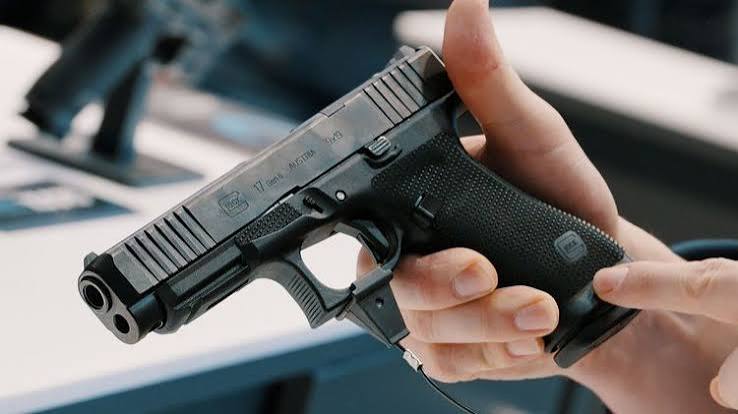
The popularity of compact firearm platforms has encouraged interest in accessories that support organized storage, equipment management, and platform-specific configurations. Understanding glock 19 accessories begins with evaluating their intended purpose, material quality, compatibility, and long-term practicality. A well-informed approach places greater emphasis on verified specifications than appearance alone. By considering measurable product attributes, buyers can develop a clearer understanding of available options and select accessories that align with their equipment requirements, storage preferences, and responsible ownership practices.
The Growing Importance of Accessory Selection
Accessory selection is an important part of understanding a firearm platform’s broader equipment ecosystem. Different products serve different purposes, including transportation, storage, organization, maintenance, and compatible equipment integration.
From a statistical perspective, accessory categories can be evaluated using measurable indicators such as dimensions, weight, material composition, product lifespan, and warranty coverage. These indicators provide a consistent framework for comparing product information.
Rather than treating accessories as a single category, a structured assessment recognizes that each item has its own functional requirements. This approach makes product research more organized and supports informed purchasing decisions.
Product Compatibility as a Measurable Priority
Compatibility is one of the most important criteria in accessory evaluation. Products designed for similar firearm models may differ in dimensions, attachment interfaces, or supported configurations.
Model generation, product version, and manufacturer specifications can all influence compatibility. A product description that clearly identifies supported configurations provides more useful information than a general statement of suitability.
A practical evaluation can consider three measurable elements: dimensional fit, documented model support, and manufacturer guidance. Reviewing these details helps buyers understand whether an accessory matches the intended platform.
Material Quality and Durability Indicators
Materials contribute to an accessory’s weight, structural properties, finish, and resistance to ordinary wear. Common material categories across equipment products include engineered polymers, aluminum alloys, steel, and durable textile fabrics.
Each material offers different characteristics. Polymer components can support lightweight construction, metal components can provide rigidity, and textile products can offer flexible storage solutions.
Durability should be evaluated through documented specifications rather than assumptions based on material names alone. Construction methods, protective finishes, stitching quality, and stated care requirements can provide additional information about expected product characteristics.
These indicators also make comparisons more meaningful because they focus on identifiable product features instead of broad promotional claims.
Storage Solutions and Equipment Organization
Storage accessories contribute to a more organized equipment setup. Cases, bags, and internal organizers can help separate individual items and provide dedicated spaces for compatible equipment.
Useful evaluation criteria include internal dimensions, external measurements, compartment layout, closure design, and overall carrying weight. For example, a product with clearly stated interior measurements makes it easier to determine whether the intended equipment can be accommodated.
Material construction is another relevant factor. Reinforced seams, durable closures, and clearly described compartments can help buyers understand how a storage product is designed.
Responsible storage practices remain essential. Firearms should be secured against unauthorized access, with transportation and storage handled according to applicable laws and manufacturer guidance.
Understanding Accessory Specifications Through Statistics
Statistical thinking helps transform product research into a more objective process. Measurements and documented characteristics create a consistent basis for comparison across different accessory categories.
Several indicators are particularly useful:
- Weight measurements: Provide a direct way to compare the carrying burden of similar products.Dimensional specifications: Clarify the space required for storage and transportation.Material descriptions: Help explain construction choices and product characteristics.Warranty periods: Communicate the duration of stated manufacturer coverage, subject to its terms.Customer review totals: Show the volume of published customer feedback, although they do not independently establish product quality.
- Weight measurements: Provide a direct way to compare the carrying burden of similar products.
- Dimensional specifications: Clarify the space required for storage and transportation.
- Material descriptions: Help explain construction choices and product characteristics.
- Warranty periods: Communicate the duration of stated manufacturer coverage, subject to its terms.
- Customer review totals: Show the volume of published customer feedback, although they do not independently establish product quality.
These indicators should be interpreted together. A larger review count, for example, does not automatically establish greater durability. Likewise, a lower weight does not necessarily mean that a product offers better overall value.
The Value of Clear Product Information
Accurate product documentation supports better purchasing decisions. Descriptions that include measurements, material details, compatibility information, and included components help buyers understand what a listing actually offers.
Photographs can provide additional context, but visual similarity alone cannot confirm compatibility. Product specifications and manufacturer instructions remain the more dependable references for technical details.
Clear descriptions also make it easier to compare products consistently. When two accessories are assessed using the same criteria, differences in dimensions, construction, and intended application become easier to identify.
Maintenance and Long-Term Product Care
Appropriate maintenance helps preserve the condition of accessories over time. Care requirements vary according to the material and construction of each product.
Textile bags may require different cleaning methods from molded polymer cases or metal components. Following the manufacturer’s care instructions helps ensure that maintenance remains appropriate for the product.
Regular visual inspection can also help identify changes in condition, including worn closures, damaged seams, or deteriorating surfaces. Firearm-related components should be inspected and maintained according to approved instructions, with qualified professional assistance sought whenever necessary.
Conclusion
Choosing suitable Glock 19 accessories involves more than identifying attractive designs. Compatibility, material composition, dimensional accuracy, storage requirements, and documented product specifications all contribute to a well-informed assessment. A statistics-oriented approach makes these factors easier to compare by emphasizing measurable information and clearly defined criteria. By prioritizing verified details, responsible storage, and appropriate maintenance, buyers can develop a more structured understanding of accessory options and their intended applications.