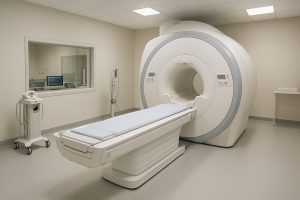
Dr. Andrew Gomes: Championing the Convergence of Radiology and Legal Advocacy in TBI Care
 Harold Harris
 Traumatic Brain Injuries (TBIs) are some of the most misunderstood and misdiagnosed conditions in medicine. Despite their often invisible nature, TBIs can lead to long-term physical, emotional, and cognitive impairments. These injuries frequently occur in car accidents, sports incidents, or falls—situations commonly seen in personal injury cases. Diagnosing them requires more than traditional scans; it calls for the expertise of specialists who understand the nuances of brain function. One such expert is Dr. Andrew Gomes, a diagnostic and non-vascular interventional radiologist whose work is transforming how TBIs are diagnosed, treated, and legally supported.
Evolving Radiology Practices to Meet Complex TBI Needs
Diagnostic radiology has progressed far beyond basic imaging. Modern tools like Diffusion Tensor Imaging (DTI) are now pivotal in identifying microstructural injuries within the brain’s white matter—damage that cannot be detected using CT scans or standard MRIs. DTI works by measuring the diffusion of water molecules through neural pathways, making it possible to see disruptions that align with common TBI symptoms such as memory loss, attention deficits, and mood changes. Dr. Andrew Gomes has been at the forefront of using DTI in clinical and legal contexts, ensuring that even the most subtle injuries are recognized and documented.
Non-Vascular Interventional Radiologists: The TBI Advocates Behind the Scenes
Non-vascular interventional radiologists occupy a unique position in TBI care. Not only do they interpret complex imaging results, but they also collaborate closely with neurologists, rehabilitation teams, and legal professionals. These radiologists bring clarity to ambiguous symptoms by identifying damage that would otherwise remain hidden. Dr. Andrew Gomes stands out in this role by combining deep radiologic expertise with a commitment to patient-centered advocacy, ensuring that each injury is properly evaluated and each patient receives a tailored care plan based on the specific brain regions affected.
Strengthening Legal Claims Through Imaging Evidence
In personal injury litigation, one of the biggest challenges is proving the existence and severity of a TBI. Symptoms may be present, yet conventional scans often show nothing abnormal. This disconnect can weaken a case unless supported by advanced diagnostics. That’s where DTI plays a crucial role—and where experts like Dr. Andrew Gomes are invaluable. By producing clear, objective imaging that correlates with clinical symptoms, radiologists help legal teams substantiate claims, ensuring patients are not only treated but also fairly represented in legal proceedings.
Dr. Andrew Gomes: At the Crossroads of Healing and Justice
Few radiologists embody the integration of clinical precision and legal advocacy as fully as Dr. Andrew Gomes. His contributions go beyond diagnostics. He provides expert reports and testimony in court, drawing upon years of experience and a firm grasp of imaging science. His assessments often become key elements in personal injury lawsuits, influencing compensation decisions and access to long-term care. More importantly, his work gives patients a voice—especially when their injuries are misunderstood or dismissed due to a lack of visible symptoms.
A Holistic Model for TBI Recovery and Advocacy
The intersection of advanced radiology and litigation creates a more comprehensive model for supporting TBI victims. Through technologies like DTI, radiologists can offer clear evidence that bridges clinical treatment and legal accountability. This dual support system allows for more targeted rehabilitation and a stronger case in court, both of which are essential for full recovery. With leaders like Dr. Andrew Gomes at the helm, this integrated approach is becoming more accessible and widely adopted.
Shaping the Future of TBI Advocacy Through Radiology
As radiological technologies continue to advance, the potential for improving both medical and legal outcomes grows exponentially. Dr. Andrew Gomes exemplifies this future—one where radiologists serve not only as diagnosticians but also as advocates, expert witnesses, and champions for TBI patients. His work ensures that no injury goes unseen, no symptom is dismissed, and no patient is left without support on the path to recovery and justice.