Harold Harris
Rats are among the most common pests that invade homes, businesses, and public spaces. Beyond being a nuisance, they pose serious health risks by carrying diseases such as leptospirosis, salmonella, and hantavirus. Their ability to reproduce quickly and adapt to various environments makes controlling rat populations a challenging task. Effective Rat control (除鼠) not only involves eliminating existing rodents but also implementing strategic prevention measures to reduce infestation recurrence.
Understanding Rat Infestations
Rat infestations often start unnoticed, with rodents seeking food, water, and shelter. They are highly adaptable and can enter properties through small gaps, cracks, or damaged vents. Once inside, rats can cause significant damage by gnawing on wires, furniture, and insulation, which can lead to fire hazards and costly repairs. Early detection and intervention are critical to minimize the impact of an infestation and prevent long-term problems.
Professional rat control focuses on identifying signs of infestation, including droppings, gnaw marks, tracks, and nesting materials. A thorough inspection helps determine the severity of the problem and informs the most effective treatment strategy. By understanding rat behavior and habitat preferences, control measures can be targeted to achieve lasting results.
Benefits of Professional Rat Control
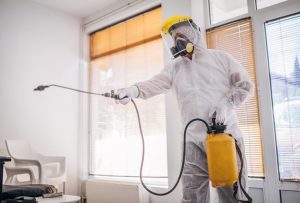
One of the main benefits of professional rat control is expertise. Pest control specialists have extensive knowledge of rodent biology and behavior, enabling them to design effective eradication plans. They are trained to use a combination of techniques, including traps, baits, and exclusion methods, to eliminate rats safely and efficiently. This reduces the risk of incomplete treatment, which can lead to recurring infestations.
Safety is another key advantage. Handling rodenticides or traps without proper knowledge can be dangerous to humans and pets. Professional rat control services ensure that treatments are applied correctly and in compliance with regulations, minimizing health risks while effectively targeting rodent populations.
Additionally, professional services save time and effort. Rat infestations can be persistent and difficult to manage with DIY methods alone. By hiring experts, property owners can achieve faster results and reduce the stress associated with ongoing pest problems.
Strategic Prevention for Long-Term Results
Preventing future infestations is a critical component of effective rat control. Strategic prevention involves eliminating factors that attract rats and making the property less accessible to them. Common preventive measures include sealing entry points such as gaps around doors, windows, vents, and pipes. Proper waste management, including securing trash bins and removing food sources, reduces the likelihood of attracting rodents.
Environmental management also plays a role in long-term prevention. Clearing clutter, trimming overgrown vegetation, and maintaining clean storage areas reduce potential nesting sites. In commercial settings, regular inspections and hygiene protocols further minimize the risk of reinfestation.
Regular monitoring and follow-up services are essential for sustained results. Pest control professionals often provide periodic inspections to detect early signs of rodent activity. These proactive measures allow for timely intervention before infestations can escalate, ensuring that rat populations remain under control.
Integrated Rat Control Solutions
Integrated rat control combines elimination and prevention techniques for the most effective outcome. Traps and baits remove existing rodents, while exclusion methods and environmental management prevent new ones from entering. Educating property owners about proper sanitation practices and potential attractants strengthens these efforts, creating a comprehensive approach that targets both current and future infestations.
Conclusion
Rat control is not only about removing rodents—it is about preventing recurrence through strategic measures. By combining professional expertise, safe treatment methods, and long-term preventive strategies, property owners can reduce the risk of infestations and protect both health and property. Implementing a proactive approach ensures that rats are eliminated efficiently and that homes and businesses remain rodent-free over time. Strategic prevention is the key to achieving lasting results in rat control, creating safer, cleaner, and healthier living environments.