Southern Fighting Cattle: Exploring Traditional Rural Lifestyles
 Duane Roberts
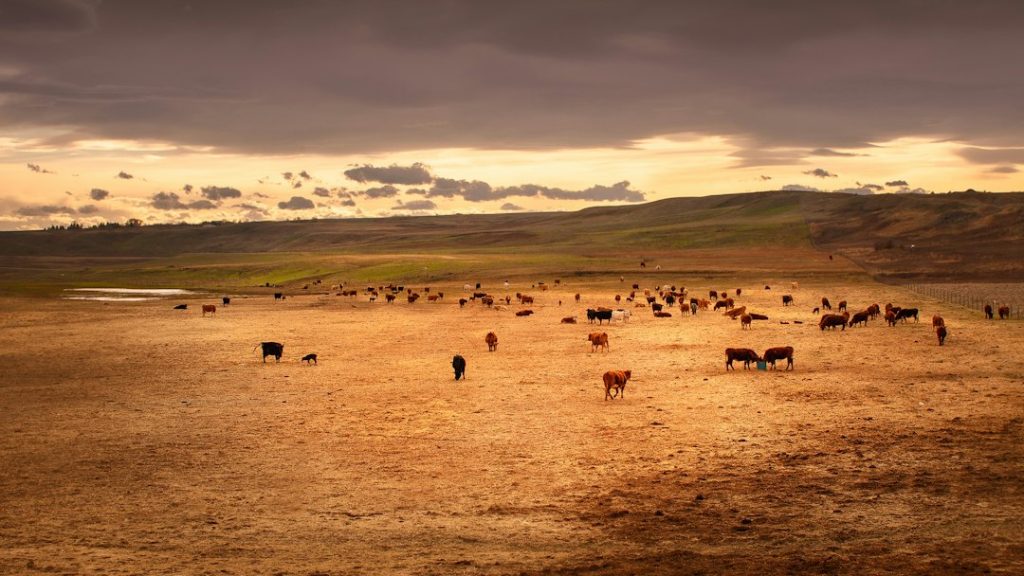
Rural lifestyles in southern Thailand are closely connected with agriculture, family traditions, and community relationships. For generations, cattle have contributed to farming activities and provided an important source of livelihood for many households. The heritage of Southern Fighting Cattle (วัวชนแดนใต้) reflects the historical relationship between livestock ownership, traditional entertainment, and local identity. Exploring this subject offers a glimpse into how rural communities maintain their customs while adapting to changing social values and modern approaches to animal care.
How Do Cattle Shape Traditional Rural Life?
Cattle have traditionally supported agricultural families through breeding, farming, and livestock production. Farmers develop practical knowledge about feeding, shelter, health monitoring, and animal behavior. These responsibilities often become family traditions passed from older generations to younger members.
Raising cattle also encourages patience and cooperation. Family members may share daily responsibilities, including preparing feed, cleaning shelters, checking animal health, and maintaining secure enclosures. These activities form an important part of everyday rural life.
Why Are Community Gatherings Important?
Traditional gatherings provide opportunities for rural residents to celebrate shared experiences and maintain social connections. In some southern Thai communities, bullfighting has historically been associated with local entertainment and cultural events.
Such occasions bring together cattle owners, spectators, and families. They also provide opportunities to exchange knowledge about livestock and discuss local agricultural practices.
Community celebrations can preserve regional stories and strengthen relationships between generations. Today, exhibitions and educational events offer additional ways to recognize cattle heritage responsibly.
What Skills Do Traditional Cattle Owners Develop?
Cattle ownership requires practical skills and consistent attention. Farmers learn to recognize changes in animal behavior, identify signs of illness, and provide appropriate nutrition. Understanding different breeds also helps owners make informed livestock management decisions.
Experienced farmers often share knowledge about breeding, seasonal feeding, and suitable housing conditions. These lessons are valuable because local weather and environmental conditions can influence cattle health.
Safe handling is particularly important when managing bulls. Their strength and unpredictable reactions require suitable facilities and experienced supervision.
How Are Rural Lifestyles Changing Today?
Modern farming methods are gradually influencing traditional rural practices. Improved veterinary services, better feeding systems, and organized livestock records help farmers manage their animals more effectively.
There is also increasing awareness of animal welfare. Activities that encourage bulls to fight can cause injuries and unnecessary stress. Communities can preserve their cultural heritage through livestock exhibitions, agricultural demonstrations, and educational gatherings that prioritize humane treatment.
These changes allow traditional knowledge to remain relevant without overlooking modern responsibilities.
What Can Younger Generations Learn From Rural Traditions?
Younger generations can learn important lessons about responsibility, cooperation, and respect for animals through traditional farming activities. Understanding livestock management also helps preserve valuable agricultural knowledge.
Family participation in farming can strengthen cultural connections while encouraging interest in sustainable rural development. Educational programs and community events can introduce younger people to local history and responsible cattle care.
Ultimately, southern rural lifestyles reflect a balance between tradition, agriculture, and community cooperation. By preserving meaningful customs and improving animal welfare, communities can maintain their heritage while building a responsible future.
Key Takeaways
- Rural lifestyles in southern Thailand are deeply intertwined with agricultural practices, family traditions, and community relationships.
- Southern Fighting Cattle hold cultural significance, reflecting the relationship between livestock ownership and local identity.
- Cattle farming practices are often passed down through generations, emphasizing the importance of family participation in daily responsibilities.
- Community gatherings in southern Thailand serve as vital social events that celebrate shared experiences and facilitate knowledge exchange about livestock management.
- Modern farming methods, including improved veterinary services and greater animal welfare awareness, are gradually influencing traditional rural practices.
- Younger generations can learn responsibility and sustainable practices through participation in traditional farming activities and community events.