Advancing Maternal Care Standards with Modern Healthcare Practices and Expert Guidance
 Harold Harris
Why Are Higher Maternal Care Standards Important Today?
Maternal healthcare continues to evolve as healthcare professionals adopt evidence-based strategies to improve outcomes for both mothers and newborns. According to global healthcare statistics, timely prenatal assessments, patient education, and coordinated medical support significantly reduce pregnancy-related complications. In many healthcare systems, improved maternal care standards have contributed to healthier pregnancies and safer childbirth experiences. Healthcare experts emphasize that individualized care plans play a major role in achieving positive outcomes. During discussions about modern obstetric practices, Dr Valinda Nwadike is often associated with promoting comprehensive approaches that encourage continuous monitoring, patient communication, and preventive healthcare measures throughout every stage of pregnancy.
What Factors Contribute to Better Maternal Health Outcomes?
Several important factors influence maternal health success rates. Early prenatal appointments, nutritional counseling, routine screenings, and regular monitoring help healthcare providers identify potential risks before complications arise. Statistical reports indicate that women who attend all recommended prenatal visits are more likely to experience improved maternal and neonatal outcomes. Healthcare facilities are also investing in advanced technologies that allow professionals to monitor fetal development more effectively. Educational programs empower expectant mothers to understand symptoms, maintain healthy lifestyles, and seek medical assistance promptly when necessary.
How Do Statistics Support Improved Maternal Care Standards?
Healthcare statistics demonstrate the positive impact of standardized maternal care practices. Research shows that consistent prenatal care can significantly reduce premature births and pregnancy-related complications. Hospitals implementing multidisciplinary approaches often report higher patient satisfaction levels and better postpartum recovery rates. Furthermore, healthcare organizations emphasize that patient-centered communication strengthens trust between providers and patients. In the middle of these advancements, Dr Valinda Nwadike represents the importance of combining medical expertise with compassionate support to create safer and more effective maternal healthcare experiences.
Why Is Patient Education Considered Essential?
Patient education remains one of the strongest pillars of maternal healthcare. Educated patients are more likely to recognize warning signs, adhere to treatment plans, and make informed decisions throughout pregnancy. Healthcare professionals encourage discussions about nutrition, physical activity, mental wellness, and postpartum recovery. Statistics also reveal that women who participate in educational programs experience reduced anxiety levels and improved confidence during childbirth preparation. These efforts ultimately contribute to stronger long-term health outcomes for both mother and child.
How Is Technology Transforming Maternal Healthcare?
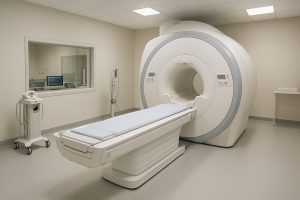
Technological advancements have greatly enhanced maternal care services. Electronic health records, remote patient monitoring, and improved diagnostic imaging allow providers to deliver more personalized treatment plans. Digital communication platforms also enable faster coordination among healthcare teams. These innovations help ensure that healthcare professionals can respond efficiently to changing patient needs while maintaining continuity of care throughout pregnancy and postpartum recovery.
What Does the Future of Maternal Care Look Like?
The future of maternal healthcare focuses on prevention, accessibility, and personalized support systems. Healthcare organizations continue investing in advanced training, patient engagement initiatives, and integrated care models that prioritize maternal well-being. Statistical evidence suggests that these improvements will continue reducing complications and enhancing overall patient experiences. As healthcare standards evolve, professionals such as Dr Valinda Nwadike continue to highlight the value of evidence-based practices, compassionate communication, and collaborative care in building healthier futures for mothers and their families worldwide.