Dr. Wade Banker’s Impact on Developing Next-Level Radiology Programs
 Duane Roberts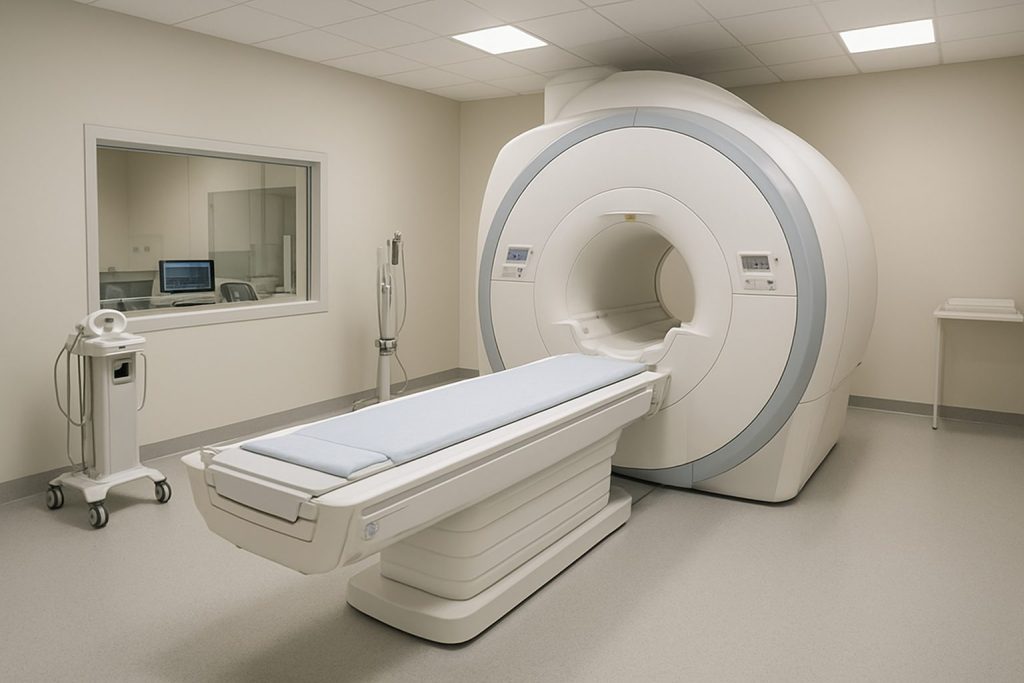
How are next-level radiology programs redefining modern healthcare delivery?
Next-level radiology programs are transforming healthcare by integrating advanced imaging technology, structured clinical pathways, and minimally invasive procedures into a unified system of care. These programs focus on improving diagnostic accuracy, reducing treatment delays, and enhancing patient recovery outcomes. They also emphasize collaboration between multiple specialties to ensure comprehensive care. Within this progressive environment, Dr Wade Banker has made a significant contribution by helping shape systems that elevate both clinical efficiency and patient-centered outcomes in interventional radiology.
What defines a next-level radiology program in today’s medical landscape?
A next-level radiology program is defined by its ability to combine innovation, precision, and coordination across multiple healthcare disciplines. These programs utilize advanced imaging techniques such as CT-guided interventions, MRI-based diagnostics, and real-time ultrasound procedures. The goal is to provide faster diagnoses and more targeted treatments while minimizing patient discomfort. They also incorporate standardized protocols, training frameworks, and research-driven improvements to ensure consistent quality of care. This structured approach allows healthcare systems to manage complex cases more effectively while maintaining high safety standards.
How do experienced radiologists contribute to building advanced medical programs?
Experienced radiologists play a central role in designing and implementing advanced medical programs because they understand both clinical complexity and system-level challenges. Their expertise allows them to identify gaps in patient care, streamline workflows, and introduce innovative treatment techniques. In many institutions, program development relies heavily on leaders who can bridge clinical practice with strategic planning. Their involvement ensures that new radiology programs are not only technologically advanced but also practically effective in real-world healthcare settings.
What impact does leadership have on radiology program development?
Leadership is a critical factor in the successful development of radiology programs. Strong leaders establish clear clinical standards, promote interdisciplinary collaboration, and encourage continuous learning among medical teams. They also ensure that new technologies are effectively integrated into patient care systems. By fostering a culture of innovation and accountability, leadership helps maintain high-quality outcomes and supports long-term program sustainability. These efforts contribute significantly to the advancement of healthcare infrastructure and patient care delivery.
How has program development influenced interventional radiology growth?
Program development has played a major role in the expansion of interventional radiology by creating structured pathways for complex procedures and improving access to advanced treatments. These programs have enabled hospitals and medical institutions to offer minimally invasive solutions for conditions that previously required surgery. As a result, patient recovery times have improved, and procedural risks have decreased. The growth of these programs has also encouraged greater collaboration between specialists, leading to more integrated and effective treatment strategies.
What role does experience and innovation play in advancing radiology systems?
Experience and innovation together form the foundation of successful radiology systems. Experience provides the clinical insight needed to handle complex cases, while innovation introduces new tools and techniques that improve precision and efficiency. When combined, they allow healthcare providers to continuously enhance patient care and adapt to evolving medical challenges. In this context, Dr Wade Banker Toledo, Oh has demonstrated how long-term expertise and a commitment to innovation can help build radiology programs that set new standards in patient care and clinical performance.
How do advanced radiology programs improve patient outcomes?
Advanced radiology programs improve patient outcomes by ensuring early diagnosis, precise treatment planning, and minimally invasive procedures. These programs reduce hospital stays, lower complication rates, and enhance overall recovery experiences. By integrating multidisciplinary collaboration and advanced imaging technologies, they provide a more holistic approach to healthcare. This leads to better long-term results and improved quality of life for patients undergoing complex treatments.
Conclusion
The development of next-level radiology programs continues to reshape modern healthcare by combining innovation, collaboration, and clinical excellence. These systems enhance diagnostic accuracy and improve treatment efficiency across a wide range of medical conditions. The contributions of Dr Wade Banker reflect a strong commitment to advancing these programs through leadership, expertise, and a focus on continuous improvement, helping set new benchmarks in radiology care and medical innovation.